Visualizzazione post con etichetta Lena Dunham. Mostra tutti i post

giovedì 24 maggio 2018

NEWS - Uguali sul serial. Le attrici (e qualche attore) delle serie tv (nonché del cinema, dei media, della politica ecc...) chiedono in una lettera aperta la "gender equality". Tra le 140 firmatarie Lena Dunham ("Girls"), Natalie Dormer ("GOT"), Robin Wright ("House of Cards"), Danai Gurira ("TWD"), Thandie Newton ("Westworld"), Connie Britton ("Nashville"). Tra gli uomini, Michael Sheen ("Masters Of Sex") e Neil Patrick Harris ("HIMYM")

News tratta da "Deadline"
Movie and TV heavyweights including Oprah WinfreyMeryl StreepNatalie Portman and Lena Dunham are among those to sign an open letter calling for action against gender inequality. The 140 signatories from the entertainment arena are putting political leaders “on notice” in the letter which is spearheaded by international charity ONE. Also among those to sign are Robin Wright, Danai Gurira, Neil Patrick Harris, Michael Sheen, Thandie Newton, Connie Britton and Natalie Dormer.
The 140 signatories call for a commitment to help every girl get an education and for leaders to use their power to deliver “historic changes for women.” The letter describes poverty as sexist and says, “We won’t stand by while the poorest women are overlooked.”
The campaign — which hopes to attract many more signatories — has also been endorsed by prominent names outside the entertainment biz, including former U.S. Secretary of State Madeleine Albright, Facebook’s Sheryl Sandberg, Chelsea Clinton and Huffington Post founder Arianna Huffington. According to a World Economic Forum report from last year, the equality gap between men and women would take 100 years to close at its current rate.
The letter reads:
“Dear World leaders,
We’re putting you on notice. 
For 130 million girls without an education. For one billion women without access to a bank account. For 39,000 girls who became child brides today. For women everywhere paid less than a man for the same work.
There is nowhere on earth where women have the same opportunities as men, but the gender gap is wider for women living in poverty.
Poverty is sexist. And we won’t stand by while the poorest women are overlooked.
You have the power to deliver historic changes for women this year. From the G7 to the G20; from the African Union to your annual budgets; we will push you for commitments and hold you to account for them. And, if you deliver, we will be the first to champion your progress.
We won’t stop until there is justice for women and girls everywhere.
Because none of us are equal until all of us are equal.”

lunedì 19 marzo 2018

NEWS - Viva le strane coppie! David Tennant sposato a Jennifer Garner nella nuova comedy delle "girls" Lena Dunham e Jenni Konner ("Camping")
News tratta da "Vulture"
David Tennant, former star of Doctor Who and your dreams about being married to Doctor Who, has signed on to the new HBO series Camping from Girls duo Lena Dunham and Jenni Konner. The actor is set to play Walt, the husband of co-star Jennifer Garner’s Kathryn. The story revolves around Walt’s birthday camping trip, where tension builds, as it often does when people have to sleep outside. Walt’s character is said to be obedient and loving, but also, gasp (!) secretly unhappy. Could it be the tent? The mosquitos? The campfire smoke that seems to be always headed right for your face? The show, based on a 2016 Sky Media series written and directed by Julia Davis, follows a weekend of “tested marriages and woman-on-woman crime” which likely describes any camping trip David Tennant gets invited on.

domenica 31 dicembre 2017

SGUARDO FETISH - Cin Cin al 2018! Le serie tv abbattono il taboo della vista del seme, da "Girls" a "Girlfriend Experience", da "The Deuce" a "Insecure"

Articolo tratto da "Mic"
Meglio eiaculare tardi che mai, potrebbe dire qualcuno, vista l’improvvisa comparsa del seme sui network a pagamento e nelle serie tv, finora estromessi dallo schermo. A parte un accenno in ‘Sex and the City’ nel 1999, il punto di svolta forse è stato un episodio di ‘Girls’ di Lena Dunham nel 2013. Lo sperma di recente è apparso in ‘Insecure, in una scena di “Girlfriend Experience”, dove la escort si ripulisce lo stomaco dopo il climax del cliente, in ‘The Deuce’ con la prostituta interpretata da Maggie GyllenhaalIl tabù, secondo la scrittrice e sessuologa Logan Levkoff, sta nel fatto che non amiamo parlare dei fluidi che il nostro corpo produce (incluse le mestruazioni), perciò sebbene la vista dello sperma sia normale durante una scena di sesso, il pubblico non la tollera. O non la tollerano gli investitori in pubblicità. Infatti sembra che questo tipo di contenuto marchi la differenza fra i canali premium e quelli ‘regolari’. Bisogna sempre vedere il perché si fa questa scelta. In ‘Girls’ probabilmente serviva a mettere sullo stesso piano uomini e donne, visto che i corpi femminili sono stati sempre esposti, o a dare autenticità al piacere. Serve a distanziare l’orgasmo maschile dal porno, e aiuta il fatto che appare in serie come ‘Insecure’, ‘Girls’, ‘Girlfriend Experience’, ‘Big Mouth’, tutte create o co-create da donne. Le scene sono viste dalla prospettiva femminile, provocano il disgusto, la rabbia, l’umiliazione della protagonista e sovverte la fantasia pornografica maschile. Il rischio sono sempre i gruppi di controllo tipo il ‘Parents Television Council’, che ad esempio monitora ‘Big Mouth’, la serie animata per adulti di Netflix che non solo ha mostrato eiaculazione in cartoni, ma anche il dialogo con lo sperma evacuato. I genitori si sono lamentati, i difensori rispondono che omettere le polluzioni notturne significa stigmatizzare una realtà biologica. Il che apre anche il dibattito sull’accesso a certi programmi e sulla supervisione dei genitori: il problema non sono gli autori dei contenuti, ma gli adulti che devono proteggere i figli. Insomma, dobbiamo abituarci ai nostri sgraditi fluidi corporei, come alla violenza gratuita e alla volgarità in tv. Per molti questo è un progresso. Come si dice, quando il genio è uscito dalla lampada, non puoi rimandarlo indietro.

martedì 14 febbraio 2017

L'EDICOLA DI LOU - Stralci, cover e commenti sui telefilm dai media italiani e stranieri

RIVISTA STUDIO
L'eredità di "Girls"
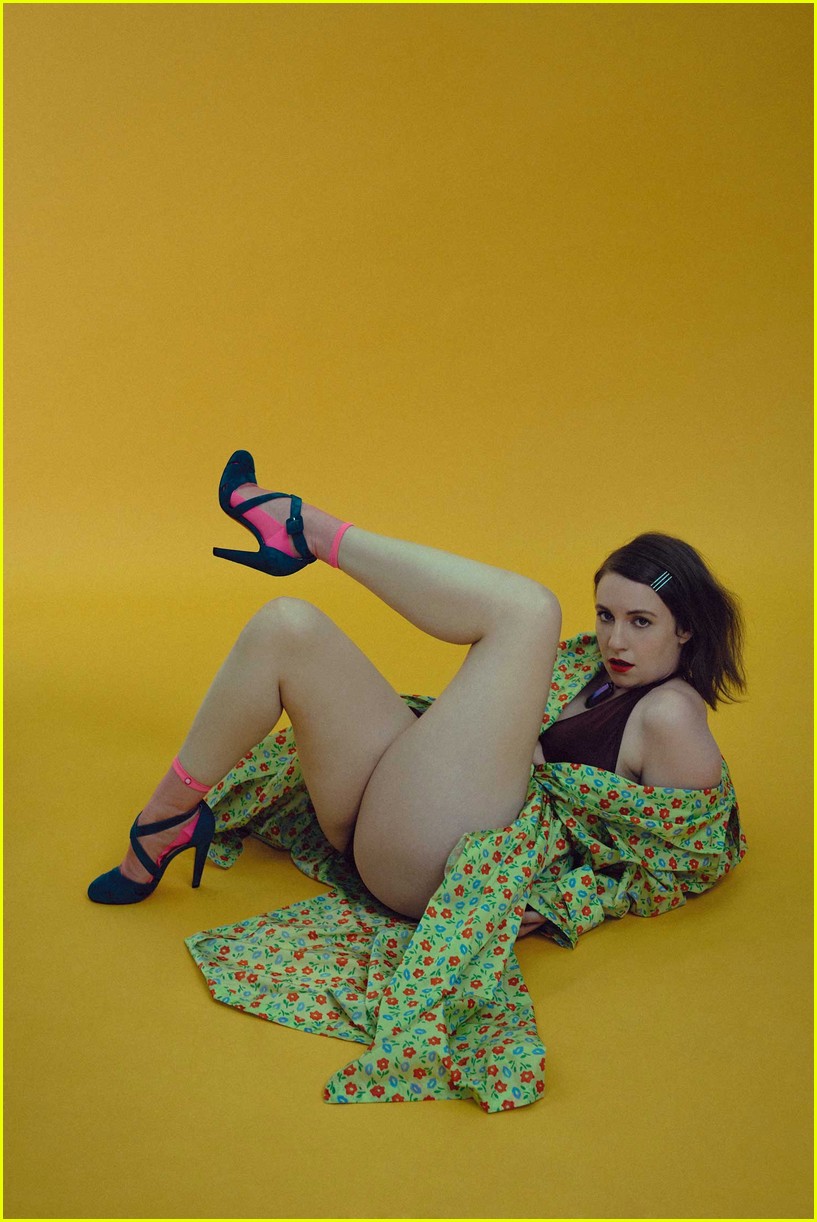
Quando Glamour US ha dedicato la sua copertina di febbraio alle quattro ragazze di Girls per celebrarne l’ultima stagione (appena iniziata su Hbo), in quel mondo microscopico che è il Twitter italiano ne è nata una piccola, piuttosto sciatta, polemica, riflesso di quella più ampia che si è scatenata in lingua anglofona. Su quella copertina ci sono Lena Dunham, Allison Williams, Jemima Kirke e Zosia Mamet issate su quattro paia di monumentali zeppe Marc Jacobs, le stesse che in sfilata avevano un tono molto più gotico e decisamente meno zuccheroso. La foto è di quelle patinate da rivista femminile (e non di moda, perché esiste una differenza che è bene rimarcare) e i commenti si sono accaniti, tanto per cambiare, sul corpo di Dunham, come sempre dall’aprile del 2012, quando abbiamo conosciuto Hannah Horvath per la prima volta. Quella cellulite sulle gambe è forse quanto di più tangibile abbia prodotto il femminismo social di noi Millennial negli ultimi anni: un giornale che al posto della solita ragazza copertina, quella bianca, sorridente e/o ammiccante e sempre in forma, ne sceglie una sempre bianca, un po’ sovrappeso, con indosso un paio di pantaloncini che non nascondono le imperfezioni che le cosce delle donne possono avere, e sceglie di ritoccarla ovunque tranne che lì.
Il lancio della cover è coinciso con una presa di posizione da parte della redazione, che ha tenuto a ribadire come quel numero fosse stato interamente prodotto da donne: le ragazze della copertina, insomma, non erano le uniche a essere celebrate. Per quanto apprezzabile fosse l’intenzione, però, si è parlato inevitabilmente e soprattutto di quella cellulite, e di quanta poca giustizia rendesse all’intero movimento, e di come ne fossimo tutti in qualche modo scontenti, intanto perché la foto non era poi così esteticamente rilevante – e qui la rivista di moda fa la differenza, vedi come da AnOther Magazine avevano lavorato con la Primavera Estate 2014 di Rick Owens – e poi perché, ancora una volta, quella era la cellulite di Lena Dunham. Ma non avevamo finito di discutere del suo corpo? D’altronde, da quando la serie da lei scritta insieme a Jennifer Konner è arrivata sui piccoli schermi di tutto il mondo, non abbiamo fatto altro che parlare di quel corpo, tra chi lo osannava come rivoluzionario nel suo essere difforme e chi teneva invece a sottolinearne la normalità (perché di ragazze così in giro ce ne sono tante, basta prendere la metropolitana di una grande città, è che non sono rappresentate, non sono tutte mica come Charlize Theron, ma neanche come Emma Stone o Dakota Johnson, e lo sbaglio è tutto lì).
Come la stessa Dunham ha più volte dichiarato durante le interviste, l’attenzione nei confronti del suo aspetto fisico ha finito per sorprendere anche lei, che pure ha fatto del corpo il suo primo, e più veritiero, mezzo espressivo. Ha scritto Manhola Dargis nel commiato a sei voci del New York Times a Girls, «Ogni volta che il personaggio di Dunham, Hannah, mangia degli spaghetti o si spoglia di fronte alla telecamera, parla o fa sesso (…) è un momento di particolare rilevanza. In quei momenti, sta ridefinendo la bellezza femminile e il valore di una donna. Le donne possono avere moltissime forme, taglie e colori, ma non si direbbe a guardare i prodotti dell’arte o quelli della cultura pop, che per lungo tempo hanno venerato un certo di tipo di donne e relegato tutte le altre – e in particolare le donne di colore – ai margini o all’invisibilità». Un lascito innegabile di Girls sarà allora proprio questo: farci discutere accanitamente di corpi delle donne, sbatterceli in faccia così come sono, a volte sodi, a volte meno, quasi fastidiosi perché “realistici”, come le ormai celebri scene di sesso.
Glamour US February 2017 2
La stessa discussione sulla non diversità e l’egocentrismo così bianco delle protagoniste, è la diretta conseguenza e dimostrazione di questo discorso. Sì, Lena Dunham, ragazza prodigio figlia di artisti, è tanto bianca quanto il mondo che ha immaginato per le sue ragazze, una New York dove d’improvviso le radici più esotiche sembrano essere quelle inglesi di Jessa (Jemima Kirke) e dove i ragazzi neri, che compaiono di sfuggita solo nella seconda stagione come prima risposta alle critiche, sono anche repubblicani. Se è vero il principio secondo cui si può fare arte soprattutto con ciò che si conosce bene, a posteriori possiamo riconoscere un certo accanimento (pari almeno all’iniziale coro di lodi sperticate) nei confronti di Lena Dunham, la cui crescita artistica è avvenuta tutta sotto i riflettori, come quella di una baby star dal vezzo intellettuale. Hanno certamente contribuito al linciaggio social – che l’ha portata negli anni ad abbandonare Twitter e a ridurre drasticamente la sua attività su Instagram – alcuni suoi atteggiamenti poco digeribili, ma anche una pericolosa fusione fra il suo Io reale e quello fittizio, fra Lena e Hannah, che molto spesso hanno finito, agli occhi dello scrutinio pubblico, per confondersi e sciogliersi l’uno nell’altro.
Eppure una è un personaggio, il più delle volte odioso e costruito apposta per farci riflettere sull’inconsistenza narcisistica di una generazione – la nostra – e l’altra, ci piaccia o meno, è una donna vera. In principio è stata la piuttosto deludente autobiografia Not that kind of girl (Random House, 2014), quella del contratto milionario, ad attirarle l’odio di una foltissima schiera di commentatori seriali; più recentemente, sono arrivati alcuni suoi interventi in forma di attivismo offuscati da una quasi dolorosa inconsapevolezza del proprio ruolo sociale. Come quando ha dichiarato, con la più candida intenzione di denunciare l’importanza del programma Planned Parenthood, che avrebbe voluto aver subito lei stessa un aborto per sapere cosa si prova, o quando ha attribuito la sua drastica perdita di peso alla vittoria di Donald Trump: ma che davvero, Lena? Il suo femminismo e lo stesso suo concetto di attivismo, che tanto ci erano piaciuti quando nel 2015 ha lanciato la sua newsletter a tema donne, Lenny’s Letter – ispiratrice di moltissimi progetti che oggi nascono a tema girl power! che neanche le Spice Girls – sono diventati un’altra cosa.
Il matricidio, d’altronde, è più che compiuto, e cose migliori della serie scritta da Dunham ci sono già, basta pensare a FleabagBroad City o Master of None fra gli altri. Eppure sono cose che senza Girls non sarebbero esistite, così come quest’ultimo, a sua volta, non sarebbe potuta succedere senza Carrie Bradshaw e Sex and the City, da cui pure si discosta moltissimo. Anzi, la sua influenza è tutta lì e seppure, alla fine, non è stata la voce della sua generazione, certamente ha contribuito a fare in modo che altre voci – voci diverse, finora inascoltate e inclusive per davvero – venissero ascoltate per la prima volta, come sottolinea Jonathan Bernstein sul Guardian. Se penso a una scena di Girls che in qualche modo mi lega allo show e che credo lo dipinga bene anche a distanza di sei stagioni, è quella che conclude il terzo episodio della prima stagione, “All adventurous women do”, quando Hannah balla su “Dancing On My Own” di Robyn dopo aver realizzato – finalmente – che il suo ex era gay. All’inizio della scena, Hannah sceglie le parole per esprimere su Twitter quello che sta provando e cancella più volte la frase, prima di pubblicarne una che può capire solo lei e che di certo non contribuirà ad aumentare il suo seguito, che in quel momento ammonta a un poco onorevole ventisei follower. Eppure, sente il bisogno di scrivere qualcosa: in quei pochi secondi di ansia social è concentrato lo show che meglio ha parlato negli ultimi anni di scrittura, freelance e aspiranti letterati-giornalisti, e ansia del futuro in generale, senza mai darci una risposta rassicurante, mentre il ballo finale con la pure odiosa Marnie (Allison Williams) ci regala uno di quei momenti a metà fra la disperazione e l’assurdità che molte amiche condividono, magari senza colonna sonora. (Silvia Schirinzi)

lunedì 6 febbraio 2017

NEWS - Gone "Girls"! Addio alla serie tv cult dove "la gente fatica a distinguere i personaggi e le attrici che li interpretano" (Lena Dunham dixit)
The cast of Girls gets dressed up ahead of the final season in this new cover story for The Hollywood Reporter.
Stars Lena DunhamAllison WilliamsJemima KirkeAdam DriverZosia MametAlex Karpovsky, and Andrew Rannells opened up to the mag:
Lena on Adam: ”Look, Adam is something unusual that Hollywood was waiting for, and he has ‘movie star’ written all over his face in both an old-fashioned and a modern way. But I do think that — and I experience it, too — it can be harder for people to separate female TV characters from the actors playing them.
Allison on not wanting to do nudity: “So instead, they bent me over a counter with someone’s face to my butt. [Marnie's music partner and love interest Desi performs analingus during season four.] It’s funny because my character actually had the vast majority of sex on the show, but it just doesn’t stick to me. People are like,’ ‘So you’ve never had sex in the show, have you?’ I’m like, what do I have to do? I’ve literally had someone in my butt.”‘(Laughs.) And with that scene, the headlines were all, ‘Brian Williams’ daughter gets her salad tossed.’ Well, no, not to reveal too much, but that is definitely not something I’m interested in, and it’s definitely never happened to me in real life. But the media often decides when to believe us as characters and when to just portray us as ourselves.
Adam on getting cast: “I was doing a play at the time, so I was feeling very self-righteous. I thought that that was what I should be doing, and TV was for evil people, and I didn’t want to be part of any system or corporation. (Laughs.) But because it was HBO, it seemed different. And then the writing was so good, and I thought it would be fun to play someone who does these things that are morally questionable.”

domenica 22 gennaio 2017

GOSSIP - Lena Dunham in procinto dell'addio a "Girls": "non rifarei una serie con 4 donne bianche!"
Lena Dunham takes the cover of Nylon magazine’s February 2017 issue.
Here’s what the 30-year-old Girls actress had to share with the mag:
On what she’d change about Girls: “I wouldn’t do another show that starred four white girls…When I wrote the pilot I was 23…I was not trying to write the experience of somebody I didn’t know, and not trying to stick a black girl in without understanding the nuance of what her experience of hipster Brooklyn was.”
On Donald Trump: “It’s going to be interesting promoting this show right after Trump is inaugurated. The final season definitely tackles some topics that are complicated and wouldn’t be beloved by the incoming administration. Hopefully it’ll bring up important conversations, and not just become the worst Twitter abuse storm in history—or it will.”
On public criticism: “I used to think the worst thing in the world could be for someone to have a thought about you that you didn’t have yourself. Now I’m like, ‘Have at it, guys!’”
For more from Lena, visit Nylon.com.

mercoledì 18 gennaio 2017

L'EDICOLA DI LOU - Stralci, cover e commenti sui telefilm dai media italiani e stranieri

LA STAMPA
Ultime battute per "Girls", ecco perchè ci mancherà
"Ci voleva Lena Dunham, enfant prodige della scrittura e della regia, perché la normalità - che parola stupenda - dell'essere donna arrivasse a migliaia e migliaia (e anche di più, forse) di persone. Se Girls, la serie tv che ha creato, scritto e - qualche volta - diretto per Hbo, ci mancherà (e ci mancherà, non dubitatene) è anche per questo: per l'onestà, talvolta estrema, con cui ha saputo raccontare il mondo e, in particolare, New York e i suoi abitanti. Hannah, la protagonista, interpretata dalla stessa Dunham, è un'aspirante scrittrice; ha tre carissime amiche, una vita sessuale travagliata e soffre di depressione. Sembra il profilo perfetto per il personaggio di uno show televisivo, e invece è molto più di questo: è reale. Lo spettatore tende a provare empatia per Hannah (anche se è così particolare, e viziata e assurda); e segue la sua storia non solo per noia, ma perché è curioso, perché ci si riconosce. Certo, anche Girls ha avuto i suoi problemi (accuse di razzismo e elitarismo) ma ha mantenuto nel corso degli anni un andamento (quasi) crescente, dove ogni personaggio ha avuto la sua parte e la sua dignità. La rivoluzione che la Dunham e le sue Girls hanno iniziato è una rivoluzione mediatica, a tutto tondo. Titolo: chi sono le donne e che cosa vogliono. Durante le sue cinque stagioni (dal 12 febbraio su Hbo andrà in onda la sesta e ultima), Girls è cambiata: ha raccontato prima un aspetto, poi un altro della vita delle sue protagoniste; ha messo a fuoco, con incredibile lucidità, il maschilismo - che non è solo un atteggiamento degli uomini ma un'idea che appartiene anche alle donne - e la latitanza di una classe di intellettuali. Il merito è della Dunham, ovviamente: suo, della visione disincantata che ha del mondo e del coraggio che ha dimostrato nel sapersi confessare". (Gianmaria Tammaro

lunedì 18 maggio 2015


GOSSIP - Fatevi il sangue amaro! Nel nuovo video di Taylor Swift che sancisce la sua conversione dal country al hip-hop, stuolo di star telefilmiche (Lena Dunham e Mariska Hargitay le mejo)
Taylor Swift‘s celeb-packed “Bad Blood” music video just opened the 2015 Billboard Music Awards and it is so epic! The video features a ton of the 25-year-old entertainer’s BFFs including Ellen Pompeo ("Grey's Anatomy"), Jessica Alba ("Dark Angel")Lena Dunham ("Girls"),  Mariska Hargitay ("SVU").
Joseph Kahn, who directed Taylor‘s “Blank Space” video, also directed the “Bad Blood” vid.
Taylor has been teasing posters for her video for weeks and we can’t believe the video is finally here!


martedì 20 gennaio 2015

martedì 13 gennaio 2015

L'EDICOLA DI LOU - Stralci, cover e commenti sui telefilm dai media italiani e stranieri

giovedì 11 dicembre 2014

NEWS - Golden Globes, le scelte di Telefilm Cult (in rosso)!

Miglior serie Drama
The Affair
Downton Abbey
Game of Thrones
The Good Wife
House of Cards

Miglior attore in una serie Drama
Clive Owen, “The Knick”
Liev Schreiber, “Ray Donovan”
Kevin Spacey, “House of Cards”
James Spader, “The Black List”
Dominic West, “The Affair”

Miglior attrice in una serie Drama
Claire Danes, “Homeland”
Julianna Margulies, “The Good Wife”
Ruth Wilson, “The Affair”
Robin Wright, “House of Cards”
Viola Davis, “How to get away with murder”

Miglior serie Comedy
Transparent
Jane the Virgin
Girls
Orange is the new black
Silicon Valley

Miglior attore in una serie Comedy
Louis CK, “Louie”
Ricky Gervais, “Derek”
Don Cheadle, “House of Lies”
William H Macy, “Shameless”
Jeffrey Tambor, “Transparent”

Miglior attrice in una serie Comedy
Gina Rodriguez, “Jane the Virgin”
Lena Dunham, “Girls”
Edie Falco, “Nurse Jackie”
Julia Louis-Dreyfus, “Veep”
Taylor Shilling, “Orange is the new black”

Miglior Miniserie o Film tv
Fargo
The Missing
The Normal Heart
Olive Kitteridge
True Detective

Miglior attore in una Miniserie o Film tv
Martin Freeman, “Fargo”
Billy Bob Thornton, “Fargo
Matthew McConaughey, “True Detective”
Woody Harrelson, “True Detective”
Mark Ruffalo, “The Normal Heart”

Miglior attrice in una Miniserie o Film tv
Maggie Gyllenhaal, “The Honorable Woman”
Jessica Lange, “American Horror Story: Freak Show”
Frances McDormand, “Olive Kitteridge”
Frances O’Connor, “The Missing”
Allison Tolman, “Fargo”

Miglior attore non protagonista in una Serie Tv, Miniserie o Film tv
Alan Cumming, “The Good Wife”
Matt Bomer, “The Normal Heart”
Colin Hanks, “Fargo”
Bill Murray, “Olive Kitteridge”
Jon Voight, “Ray Donovan”

Miglior attrice non protagonista in una Serie Tv, Miniserie o Film tv
Uzo Aduba, “Orange is the new black”
Kathy Bates, “American Horror Story: Freak Show”
Joanne Froggatt, “Downton Abbey”
Allison Janey, “Mom”
Michelle Monaghan, “True Detective”

domenica 14 settembre 2014

L'EDICOLA DI LOU - Stralci, cover e commenti sui telefilm dai media italiani e stranieri

Imperdibile! Il "New York Times Magazine" dedica una copertina antologica a Lena Dunham di "Girls" e relativo ritratto a tutto tondo (QUI)

mercoledì 18 giugno 2014

NEWS - Altro che Lena Dunham e "Girls"! La vera liberazione sessuale in serie arriva dalla bisex Caitlin Stasey di "Reign" (leggere l'intervista senza peli sulla lingua per credere). Non ditelo a Raidue (che trasmette la serie al pomeriggio) e al MOIGE
Articolo di Louis Peitzman per "BuzzFeed"
The way Caitlin Stasey talks about her Reign character Kenna, a fictional lady-in-waiting to Mary Queen of Scots, is enough to make even non-Elizabethan era audiences blush.
“I call her the clitoris of the show,” Stasey says after a quick glance around at her surroundings at Insomnia Café in Los Angeles. “Almost consistently for every episode I was doing something sexual. I was naked, I was doing this, I was making out with this person, I was having a threesome here, and I realized that was my position. Which is fine. I’m totally fine with that. It’s great.”
But while Stasey’s frankness might shock the more inhibited among us, it reflects the kind of sexual openness the 24-year-old actor celebrates. The more we talk about it, she reasons, the less weird it’s going to be. And for a generation of young girls embarking on the complicated journey of self-discovery, just knowing they’re normal can make all the difference.
The more normal it is, the more it’s perceived as just an everyday way of being, the less scary it’s gonna be for girls, obviously,” Stasey says.
Of course, it’s not as though Kenna has any trouble expressing her sexuality. The most liberated of the ladies-in-waiting trailing behind Mary (Adelaide Kane) on The CW’s period drama, Kenna has wielded her sex as a weapon, been subjugated by those who seek to control her body, and finally discovered mutual respect and love over the course of Reign’s first season. She’s gone from being a virgin to the mistress of King Henry (Alan van Sprang) to the wife of Henry’s bastard Bash (Torrance Coombs).
“She’s kind of done it all,” Stasey says, taking a sip from her iced coffee. She manages to come across as both charming and matter-of-fact as she discusses touchy subjects, lowering her voice ever so slightly when using words like “orgasm” and “masturbation.” The other patrons at the coffee shop don’t seem to notice.
Masturbation” is, in fact, a major topic of conversation: Reign raised eyebrows with its pilot, in which Kenna — so sexually charged from watching a newly married couple consummate their relationship — ducks into a hallway to pleasure herself. It was a rare depiction of female masturbation on network television — and with a teenage girl doing the deed, no less.
Even for Stasey, who doesn’t shy away from much, filming the scene was a daunting prospect.
I was kind of horrified at the thought of having to masturbate on screen,” she admits. “Masturbation was such a sensitive issue for me as an adolescent, as a young woman, the thought of doing it publicly, albeit very tame, it felt like it was going to be an insight into me and my desires and my methods, I guess you could say. Because a little piece of you has to find its way into those situations, into those scenes.”
When the pilot finally aired, the masturbation scene had been cut down significantly: While it was obvious what Kenna was doing, the act itself was mostly just implied. As showrunner Laurie McCarthy put it, “With The CW’s concern, we all came to a creative decision that allowed us to keep the bulk of the scene, but to make it more suggestive. It felt like the right way to do it.”
Stasey is somewhat less understanding.
I was disappointed,” she admits. “It’s always a little bit personal when your work is cut down for whatever reason. And when it’s for reasoning that’s as antithetical to my views as this was, it’s even harder to swallow. It would be like if you were a gay man on television kissing your lover in a scene, and they had to cut it down because of network sensitivity.”
Stasey’s disappointment was compounded by the fact that she went through with it, despite her initial discomfort — and she was proud of her performance when all was said and done.
I fucking did it,” she adds. “I did it in front of all those men that I didn’t know and all those women I didn’t know, and now people got to edit it and watch it and fucking dissect it. There have been conversations over boardroom tables about my masturbating, so why couldn’t you just let it happen?”
Editing choices aside, the simple inclusion of a scene of female masturbation on a teen drama remains a bold one. Particularly as the depiction of female pleasure on the whole is far more restricted than that of male sexuality. The response to scenes like Kenna’s clandestine masturbation speak to a double standard in terms of what audiences are comfortable with. Variety’s senior TV editor Brian Steinberg found the scene in question so distasteful that he wrote, “There’s pushing the envelope, and there’s dunking that envelope in a sink full of bourbon and trying to light it on fire.”
It’s a response that may disappoint Stasey but does not surprise her.
We are the fairer sex. We are pure. We are not earthly creatures,” she jokes. “And I think to put us in the midst of all of it, to see that we are in fact just as sexually driven as men, is kind of confronting. Also the fact that we are largely, nowadays, not reliant on men to provide pleasure for us.” Part of what makes Kenna such a fascinating character is that she brings what feels like a distinctly modern sensibility to a series that takes place in 1557. In fact, all of the women on the show are complex, three-dimensional characters who, at times, espouse more feminist ideals than many of the contemporary female characters on television.
Stasey suggests that perhaps it’s the societal restrictions these women face that allows Reign to grant them more developed interpersonal relationships and internal lives. But there’s something to be said in particular about Kenna’s sexual independence, an exciting quality for a female character on network television, regardless of the time period.
“[Kenna] kind of doesn’t give a fuck. She’s making decisions of her own accord,” Stasey says. “Self-determination is what she’s trying to achieve. Obviously in those times, you couldn’t have rampant sexual partners. You needed some sort of, I guess, arrangement whereby losing your ‘virtue’ was not worth losing everything. She’s as much as a feminist as you could have been during those times, and every decision that she’s made for herself, by herself, I think is a testament to her strength.”
Of course, that’s not to say that Kenna represents a feminist ideal. Stasey acknowledges that she has a harder time with scenes in which her character is bent to the will of others. The world of Reign is, after all, 16th century France: However evolved Kenna feels — and however historically inaccurate the show allows her to be — she’s still a product of the times.
So although Stasey believes there are aspects of Kenna that could prove helpful to young girls watching Reign, she also notes that it’s a bit more complicated than simply wanting to grow up to be her.
“I hope women that watch it can at least take with a grain of salt the level of importance that is placed on our virginities and on our male counterparts,” Stasey says. “I would hate for any young girl to watch and be like, This is the standard by which I will set my life. I think they’ve done an incredible job of creating female characters who are really empowered by the times rather than restricted by them. Or, at least, empowered enough within the restrictions that they find themselves in.”
And for her part, Stasey continues to speak candidly about not only Kenna’s sexuality, but also her own. The more she talks about it, she explains, the less awkward everyone else has to feel. In her own life, the frank and shameless discussion of sexuality has helped her evolved to a state she hopes other young women can achieve.
I’ve always struggled with relationships and my sexuality and being bisexual and not knowing how to sort of embrace that while also not being judged for it,” Stasey says. “It took me dating feminists to understand that these things are OK. I always knew it was OK — I was always fiercely defensive. There was always this little bit of doubt in me that people would think the worst of me, that people wouldn’t understand me.”
Stasey and Reign can’t do all the heavy lifting alone, of course, which is why she expresses the need for more positive representations of uninhibited female sexuality in TV and film.
Cable, at least, is making strides forward with shows like Comedy Central’s Broad City and HBO’s Girls, both of which allow their female characters to talk about sex openly and, for the most part, without fear of judgment from those around them.
Broad City is how I wish we could all be, whereas Girls is maybe a more accurate representation of how things are,” Stasey posits. “There is still this expectation, there is still this reticence and fear, but I think that [Girls creator] Lena Dunham and [Broad City creators] Ilana Glazer and Abbi Jacobson are forging the way forward.”
These are the shows Stasey wishes had existed when she was younger and struggling to figure herself out. When she thinks back to the female characters she was familiar with growing up, she has trouble identifying any that she was truly impressed by — or who made her feel like less of an outsider.
“I bore this great shame,” Stasey says. “And I would pray every time before I’d masturbate. I was like, ‘Dear God, this is the last time, except maybe three more times on the way to Queensland.’ I was so scared. And because, ever since I can remember, I’ve been fiercely attracted to women. No one in my world resembled that at all.”
At this point, Stasey can look back on her past from a more enlightened perspective. She speaks proudly about her refusal to cater to a culture of slut-shaming and notes — with her consistently refreshing candor — “Because of this antiquated, patriarchal, and patronizing mentality, we are scared to express ourselves.”
It’s strange, at times, to hear an actor talk so openly about such taboo subjects. Many figures in the public eye are reluctant to even admit to dating, let alone speak freely about masturbation and fluid sexual identity. But for Stasey, as for Kenna, open is the only way to be. Shocking people is an unintended side effect, and one that neither has time for.
“I’ve undoubtedly offended people,” Stasey says, “but in the end I’ve learned, the people that will understand are the people I want to connect to, anyway. And if I can change anyone’s opinions, that’d be fantastic. But there are some people that are so set that it doesn’t matter. And if my sexuality offends and repels or intimidates anybody, then we would never, ever connect, professionally or personally.”
The best way for Stasey to stop offending people with discussion of female sexuality is to expose them to what they’re so afraid of. In the same way, shows like Reign, in depicting female pleasure, are teaching audiences to — in blunt terms — get over it.
“My dad and I had a conversation before I left,” she continues, “and he said, ‘I think you’re living with a sort of air of naiveté, because the world that you want to live in, the world that you expect to live in isn’t the world that you’re currently living in. People aren’t always going to accept it.’ And my response to that is, I think he and other people confuse naiveté with an unfailing commitment to an ideal. It’s like, yes, things aren’t this way, but I have to communicate as though they are, so that things will eventually change. If you compromise in any kind of movement or any kind of wave of revolution, if you sort of play the game, things are gonna change far more slowly than you need them to.”
Reign may not seem like a series with many teaching moments — it’s more steamy soap than after-school special — but there is undeniable power in its female characters and the way they continue to express themselves.
Now nearing the end of its first season, the show has proven its commitment to portraying realistic female sexuality past that masturbation scene in the pilot. It’s not simply a method to shock and titillate viewers, but to normalize something that should be far more commonplace by now.
“I would just love to think that through experiencing Kenna and other women that are showcased like her, [young girls] will learn to discover that there’s nothing wrong with being sexual and embracing your sexuality,” Stasey says. “It doesn’t make you a bad person.”
Again, in hushed tones, but fully into the recorder, Stasey continues, “I was so isolated by how fucking horny I was as a young girl. I thought I was deranged … I just remember feeling so much shame and so much guilt as a young girl, and I really hope that can be eliminated for girls my age who go through the same thing.”
Beyond what it means for the young women watching Reign — and given the fact that it’s a romantic drama on The CW, that’s a significant portion of the audience — depicting female sexuality contributes to a larger cultural shift, the same trend whose tremors are felt on Broad City and Girls.
It’s not simply a matter of creating strong female characters, though that’s important too. It’s showing women as sexually independent people whose bodies and pleasure exist for themselves and not for the men around them. While not a radical concept, it’s one that television continues to struggle with.
And many, like Stasey, are growing increasingly impatient. She smiles before offering this pithy summation: “I’m really just looking forward to the day when a woman’s orgasm isn’t scary.”

mercoledì 11 giugno 2014

GOSSIP - Sia quel che Sia! Al "Late Night" Lena Dunham parruccata bionca canta in playback la splendida "Chandelier" della popstar, che l'aspetta sul letto a castello. Pieno espressionismo tedesco tra cartonati coi buchi e carta igienica a rotoli
Lena Dunham performs a lyrical dance while lip-syncing to Sia‘s “Chandelier” during an appearance on Late Night with Seth Meyers on Monday evening (June 9) in New York City.
The 38-year-old singer and hit-maker was lying face down on a bed during her performance while the 28-year-old Girls star, who wore a short blonde wig, danced around with toilet paper and other various props. Sia never once showed her face during the performance! At the end of the song, Lena and Sia ended up spooning on the bed. Watch the performance below.

martedì 22 aprile 2014

NEWS -  RIP, non ci sono più i gay effeminati di una volta...

Post di Nico Lang per PolicyMic
"A couple of years ago I sat in the audience for a panel discussion on queer representation in entertainment; the presentation included a breezy tour through the gay history of the media, complete with Powerpoint slides of Rosie, Ellen and old People magazines from when you needed to be on the cover of something to come out. The overview was greeted warmly, until we got to Will and Grace, where one of the show's characters, Jack McFarland, proved a sticking point. Jack, a sassy sidekick whose flamboyance towed the line between camp and parody, has long been a lightning rod of discussion in the community. You could feel that discomfort in the room.
Our tour guide diffused the tension by reminding the mostly-male audience that Jack might be a stereotype, but many of us know a Jack in real life. The audience laughed with delight and recognition. They nodded to friends as if to say, "Oh, yes. That's true." What he didn't say is that many of us are Jacks, but I wondered how many people would laugh at that statement.
I thought of this moment after NBC announced that the network would be pulling Sean Saves the World, the freshman sitcom starring Sean Hayes, who played Jack on Will and Grace. For those who haven't seen the show (read: all of you), Sean Saves the World was about a father forced to take sole guardianship of his estranged (yet adorable!) daughter after her mother abandoned her. The show was NBC's attempt to relive its glory days by borrowing from what worked in the '90s, with Hayes playing nearly the same character, a little older and wiser, but with all the trademark pitfalls. Even the stilted laugh track made it sound like the laughter was echoing in from 15 years ago.
 But in getting (rightly) cancelled by NBC, audiences weren't just leaving '90s sitcoms behind. They were leaving behind the Jack McFarlands, a relic of the Queer as Folk era of gay TV, when a show like Queer as Folk (for all its whitewashed issues) could give us three effeminate gays in its lead cast: Emmett, Ted and Justin. The recent television movement has been a push toward post-gay representation, creating male characters who just so happen to be gay. On the critically lauded Brooklyn Nine-Nine, that's the entire point of Andre Braugher's Captain Holt. His sexuality is as inscrutable as the rest of his persona, a hard-ass who has learned to blend in to survive in a homophobic workforce. The recent new HBO addition Looking was celebrated for the same thing. Although many critics chided it for being dull (which it is), defenders of the show found it liberating that gay characters got to be boring on television just like everyone else.
However, there's a certain type of character that gets the privilege to be post-gay, guys whose sexuality doesn't stand out in the same way that Jack's did. In order to get on television today, gay characters are butching it up, becoming like Captain Holt to prove they can hang with the boys, camouflaged with masculinity. Looking's characters are all fit hipster bros who call each other "dude" a lot. On the recently departed Happy Endings, the schlubby, hairy Max acted as a deconstruction of gay stereotypes. It was a running joke that Max was "less gay" than the show's straight dudes, much like gay characters on Nashville and GCB. This might be what it takes to fit in, but it looks awfully heteronormative.
Even recent shows that depict effeminate male characters use them primarily as the butt of the joke, a Lucy character who is always causing trouble. They act in counterpoint to a straighter man, who is seen as the voice of reason. The now-cancelled Ryan Murphy sitcom The New Normal provided Bryan — a shallow, judgmental television executive — primarily as a counterpoint to his angelically understanding partner David, a doctor who watches football and has no other character traits. David's role is "The Problem Solver." On Modern Family, Mitchell and Cameron have a similar dynamic, but Mitch seems to increasingly resent Cam for his effeminate tomfoolery. Their growing animosity has led many viewers to wonder if they secretly hate each other.
More than Mitchell, it's the community that has a complicated relationship with flamboyancy, much like the guys that I sat on the aforementioned panel with. It's a lot easier to pretend the queens don't exist than try to represent them, or we'd have to admit we have something in common. I remember that my mother once told me how much I reminded her of Jack and I remember how much it bothered me. I never stopped to ask myself why.
In being the newest gay show on TV, many will look to Looking to fix the problems surrounding gay representation and fill in the gaps in our media spectrum. Such is the inherent burden of representing a community, but we need to recognize why those cracks exist in the first place and why certain character types might push our buttons when it comes to masculinity and internalized homophobia. Fixing one TV show won't solve a problem that's bigger than HBO. With True Blood’s Lafayette and Glee's Kurt Hummel on shows that are on their last legs, our effeminate males are quickly becoming an endangered species.
On Girls, Lena Dunham's Hannah recently mourned the death of her complicated and quick-witted editor, David Pressler-Goings, played by the ever-androgynous John Cameron Mitchell. As David ascended to TV heaven to be with Sean Hayes, Hannah recalled that he had been her champion, the only one who believed in her work. TVs Davids, Jacks and Emmetts need champions too. They might not be represented on the air anymore, but it doesn't mean they aren't still here in real life and wondering what happened to their television counterparts".

giovedì 20 marzo 2014

L'EDICOLA DI LOU - Stralci, cover e commenti sui telefilm dai media italiani e stranieri

GLAMOUR
Lena Dunham shock! "Non so se ho voglia di continuare a recitare"

Lena Dunham is all about her tattoos on the cover of Glamour magazine’s April 2014 issue, on newsstands March 18.
Here’s what the 27-year-old Girls actress had to share with the mag:
On beginning to date her boyfriend Jack Antonoff: “The dialogue around [Girls] already existed, so it was sort of clear to him what the baggage of dating me was going to be. I remember talking with him on our first date and him being like, ‘God, all the articles about your nudity on the show are such bullsh-t.’ It’s funny, ’cause in some ways that’s the conversation we still have when I’m upset [about stuff I read].”
On if she will continue acting after Girls: “I don’t know if I’m going to want to act anymore. I’m always relieved on the days I don’t have to. I’d rather give parts to other women than be the woman having the parts.”
On her beauty point of view: “I feel prettier with a naked face and ChapStick. But a good haircut makes a huge difference.”
For more from Lena, visit Glamour.com.
FYI: Lena is wearing a rag & bone dress on the cover.

martedì 11 marzo 2014

NEWS - Prima del Creato, Dio creò la donna...anzi la prima delle "Girls"! Lena Dunham rilegge la Bibbia al "Saturday Night Live"

giovedì 20 febbraio 2014

PICCOLO GRANDE SCHERMO - Le "Girls" stan per tornare! Nuovo film di "Sex and the City" strizzando l'occhio mascarato alla serie di Lena Dunham?

Articolo tratto da Uproxx.com
Sex and the City series executive producer Michael Patrick King spoke with Entertainment Weekly about the possibility of a third film installment — on the heels (pun firmly not intended) of Sarah Jessica Parker telling InStyle that she believed “there was another chapter to tell” last month. If you’ll recall, Sex and the City 2 was critically panned as a load of steaming horseflop, even from those who enjoyed the HBO series. (Note: I will use any excuse to link to Lindy West’s epic review of SATC2.)
Acknowledging Parker’s comments on a third film, King explains, “Sarah Jessica and I both know what that final chapter is. That doesn’t mean it will or should be told, but I do think there’s one story left. Whether it ever happens is a whole other situation. But there’s four girls, and those girls are still in my mind. There are other stories to tell and characters that haven’t even been written yet.”
Just because, theoretically, there may be stories left to tell, doesn’t mean you necessarily have to unburden your soul with the film version of Norovirus telling them. I mean, I like Girls as much as the next person, but so help me god if twenty years from now I have to watch a middle-aged Hannah still being an emotionally-retarded hunk of meatloaf parading around in ill-fitting outfits and Marnie’s metamorphosis into the homicidal trophy wife we all know she’s destined to become — I will jam a Q-tip through my ear clear into my temporal lobe.

"Il trivial game + divertente dell'anno" (Lucca Comics)

"Il trivial game + divertente dell'anno" (Lucca Comics)
Il GIOCO DEI TELEFILM di Leopoldo Damerini e Fabrizio Margaria, nei migliori negozi di giocattoli: un viaggio lungo 750 domande divise per epoche e difficoltà. Sfida i tuoi amici/parenti/partner/amanti e diventa Telefilm Master. Disegni originali by Silver. Regolamento di Luca Borsa. E' un gioco Ghenos Games. http://www.facebook.com/GiocoDeiTelefilm. https://twitter.com/GiocoTelefilm

Lick it or Leave it!

Lick it or Leave it!