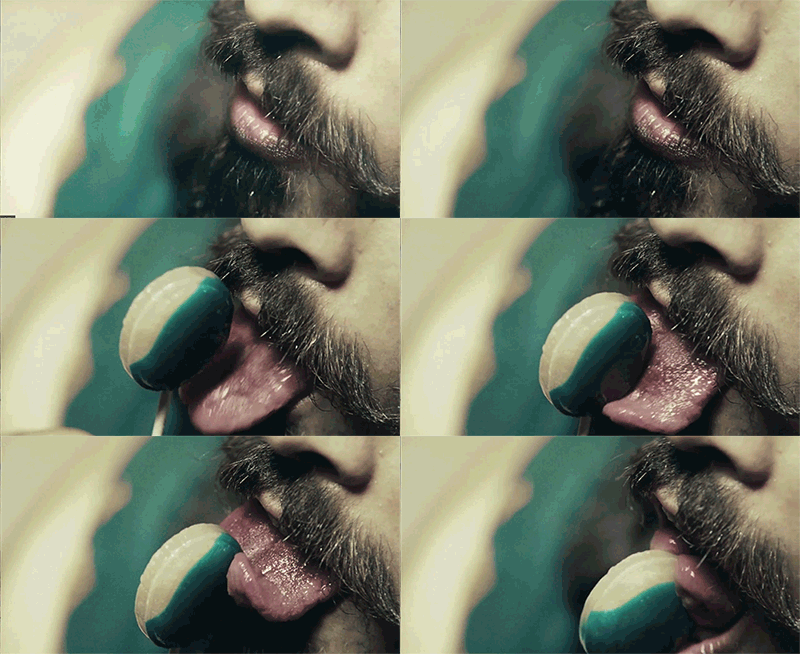
Guarda la gallery completa su
Visualizzazione post con etichetta Alycia Debnam-Carey. Mostra tutti i post
martedì 7 giugno 2016
NEWS - "I personaggi LGBT lottano due volte, per l'amore e contro i pregiudizi". La "Lexa Pledge" conquista l'attenzione del "Corriere della Sera"
Articolo tratto dal "Corriere della Sera"
La televisione spesso si rivela per quella che è: uno specchio. E lo stesso fanno i numeri: leggerli non fa che restituire un’immagine molto chiara. Sono 18 mila i personaggi eterosessuali che compaiono nelle serie tv, appena 383 invece quelli appartenenti alla comunità Lgtb: e di questi ben 156 sono stati uccisi. Una sproporzione. Confermata anche da altre percentuali: l’89% delle serie tv non ha personaggi omo o bisessuali. E nell’11% rimanente solo il 16% delle storie si è concluso con un lieto fine. Ma qualcosa si muove e ora sotto la spinta della ribellione di molti fan, autori e produttori hanno promosso una raccolta firme (riuniti nel gruppo «Lgtb Fans Deserve Better», ossia meritano il meglio) stanchi di vedere la morte di personaggi televisivi gay e chiedono — con tanto di appello in un video che ricostruisce i numeri di questa discriminazione — che i personaggi che rappresentano la comunità Lgtb vengano trattati con più rispetto. Hanno redatto anche un impegno scritto in 7 punti il cui scopo è quello che «la comunità queer sia equamente rappresentata in tv». La goccia che ha fatto traboccare il vaso (e chi vuole evitare spoiler su The 100 non continui a leggere) è stata la morte di Lexa, la lesbica interpretata da Alycia Debnam-Carey nella serie che in Italia va in onda su Premium Action (la terza stagione inedita da settembre). Lexa era un personaggio chiave, fatto sparire di scena come è accaduto nel tempo a storici protagonisti paladini dei diritti arcobaleno: Marissa (Mischa Barton) in The O.C., Tara (Amber Benson) in Buffy l’ammazzavampiri, Tricia (Madeline Brewer) in Orange Is the New Black, Denise (Merritt Wever) in The Walking Dead.
Certo la prossima polemica sembra già vicina (e qui invece non legga chi vuole evitare spoiler su Grey’s Anatomy):
la dottoressa lesbica Callie Torres (interpretata da Sara Ramirez)
sembra pronta a lasciare dopo 10 anni la serie ideata da Shonda Rhimes.
La dodicesima stagione vedrà infatti la sua uscita (come, non si sa
ancora). L’attrice si prenderà una pausa (dunque in futuro potrebbe
anche tornare) e all’origine della scelta c’è prosaicamente il fatto che
le parti non hanno chiuso un nuovo accordo in vista della scadenza del
contratto a giugno. In questo caso ragioni economiche, di fatto un’altra
storia senza lieto fine.
Articolo tratto dal "Corriere della Sera"
La televisione spesso si rivela per quella che è: uno specchio. E lo stesso fanno i numeri: leggerli non fa che restituire un’immagine molto chiara. Sono 18 mila i personaggi eterosessuali che compaiono nelle serie tv, appena 383 invece quelli appartenenti alla comunità Lgtb: e di questi ben 156 sono stati uccisi. Una sproporzione. Confermata anche da altre percentuali: l’89% delle serie tv non ha personaggi omo o bisessuali. E nell’11% rimanente solo il 16% delle storie si è concluso con un lieto fine. Ma qualcosa si muove e ora sotto la spinta della ribellione di molti fan, autori e produttori hanno promosso una raccolta firme (riuniti nel gruppo «Lgtb Fans Deserve Better», ossia meritano il meglio) stanchi di vedere la morte di personaggi televisivi gay e chiedono — con tanto di appello in un video che ricostruisce i numeri di questa discriminazione — che i personaggi che rappresentano la comunità Lgtb vengano trattati con più rispetto. Hanno redatto anche un impegno scritto in 7 punti il cui scopo è quello che «la comunità queer sia equamente rappresentata in tv». La goccia che ha fatto traboccare il vaso (e chi vuole evitare spoiler su The 100 non continui a leggere) è stata la morte di Lexa, la lesbica interpretata da Alycia Debnam-Carey nella serie che in Italia va in onda su Premium Action (la terza stagione inedita da settembre). Lexa era un personaggio chiave, fatto sparire di scena come è accaduto nel tempo a storici protagonisti paladini dei diritti arcobaleno: Marissa (Mischa Barton) in The O.C., Tara (Amber Benson) in Buffy l’ammazzavampiri, Tricia (Madeline Brewer) in Orange Is the New Black, Denise (Merritt Wever) in The Walking Dead.
Negli Stati Uniti la questione è diventata tema di dibattito. Tanto che il creatore di The 100 Jason
Rothenberg ha dovuto fare pubblica ammenda: «Non c’è mai un’unanimità
nelle scelte degli sceneggiatori di una serie. Ognuno sottopone la
propria, ma poi tocca a me scegliere. Nel mondo del nostro telefilm
nessuno è al sicuro e ogni personaggio, anche se apprezzato, può morire,
in qualsiasi momento. Ci sono diverse ragioni per cui questa puntata è
stata pensata in questo modo: pratiche (un’attrice lasciava lo show
perché impegnata anche in Fear the Walking Dead),
creative (è una storia sulla reincarnazione) e tematiche (è uno show
sulla sopravvivenza). Nonostante le mie ragioni, scrivo e produco
televisione per il mondo reale, dove esistono luoghi comuni negativi. E
mi dispiace molto per non essermene pienamente reso conto. Sapendo ciò
che so ora, la morte di Lexa sarebbe stata messa in scena diversamente».
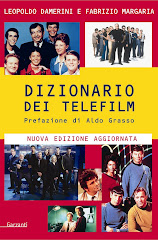
Leo Damerini, autore del Dizionario dei Telefilm
(Garzanti), dà una lettura del fenomeno: «In generale i personaggi Lgtb
devono lottare due volte: per il loro amore personale e contro i
pregiudizi sociali. Hanno relazioni più tormentate, e spesso soccombono.
C’è una visone sadica e molto pratica in questo da parte degli
sceneggiatori americani: i loro tormenti appassionano il doppio, portano
i telespettatori ad affezionarsi più rapidamente, sull’onda dei recenti
movimenti che inneggiano alla parità, per poi celebrare funerali che
diventano eventi epocali, perdite che colpiscono nel profondo. Perché
non si perdono solo personaggi, ma più spesso bandiere e simboli».
Etichette:
Alycia Debnam-Carey,
Amber Benson,
Buffy,
Dizionario dei Telefilm,
Grey's Anatomy,
Jason Rothenberg,
Leo Damerini,
NEWS,
Orange is the new Black,
Sara Ramirez,
Shonda Rhimes,
The 100,
The Walking Dead
giovedì 2 giugno 2016
GOSSIP - Lexa a puntino! Alycia Debnam Carey su "Vogue" (Australia) fa il salto della cangura: "E pensare che per 'The 100' avevo firmato per solo 6 episodi...Non avevo aspettative su Lexa"
On how she memorises a script…
“You don’t really learn them as a full script. Usually with something like The 100, because you’re working so much and everyday and they’ll change the drafts quite quickly, we’ll go through maybe like 12 different versions of the same scene over a week. So there is no point in learning it on a Tuesday when on a Thursday it might be completely different. So your best bet is to learn it Wednesday night, however that’s when the process as an actor comes in to play, by doing the work beforehand, so if you’ve got the weekend off you go through the script and cut it out, dissect out, and figure out what you’re actually really doing, so that when it comes to learning it’s easier. My short-term memory has gotten so much better but it means I forget things a lot quicker!”
On how it compares to working on a film…
“Film is a lot different. You have the whole script in its entirety and you have a couple of weeks to learn different scenes, really go over them and rehearse them so when you get to them they’re more fleshed out. But TV shows are harder.”
On the long hours…
“They are very, very very long. It’s not always the working itself but the travel time and getting ready. Once you add all that on it’s a lot longer but then if you go over time by half an hour or an hour, you can find yourself having worked for 15 hours. A 12 hour day is standard, but once it adds up you’re exhausted.”
On differences between working on The 100 versus Fear the Walking Dead…
The Hundred gave me this platform I never expected. I didn’t expect the character to become anything. I was originally only signed up to do six episodes and then it just sort of become this whole story and journey which was an amazing character, a great journey so that has been incredible and I didn’t expect anything out of it. Fear the Walking Dead has been amazing though because I’ve been there from the beginning and that’s a whole different sense of familiarity and family and connection with people.
On whether she watches any of her television shows…
“No, never! I’ve always been on a plane. There was actually one time where I was doing bits and pieces for both shows so I was flying back from LA to Vancouver every where. The 100 is in Vancouver.”
On whether or not she knows what’s happening to her characters…
“You just don’t sometimes!”
On how she memorises a script…“You don’t really learn them as a full script. Usually with something like The 100, because you’re working so much and everyday and they’ll change the drafts quite quickly, we’ll go through maybe like 12 different versions of the same scene over a week. So there is no point in learning it on a Tuesday when on a Thursday it might be completely different. So your best bet is to learn it Wednesday night, however that’s when the process as an actor comes in to play, by doing the work beforehand, so if you’ve got the weekend off you go through the script and cut it out, dissect out, and figure out what you’re actually really doing, so that when it comes to learning it’s easier. My short-term memory has gotten so much better but it means I forget things a lot quicker!”
On how it compares to working on a film…
“Film is a lot different. You have the whole script in its entirety and you have a couple of weeks to learn different scenes, really go over them and rehearse them so when you get to them they’re more fleshed out. But TV shows are harder.”
On the long hours…
“They are very, very very long. It’s not always the working itself but the travel time and getting ready. Once you add all that on it’s a lot longer but then if you go over time by half an hour or an hour, you can find yourself having worked for 15 hours. A 12 hour day is standard, but once it adds up you’re exhausted.”
On differences between working on The 100 versus Fear the Walking Dead…
The Hundred gave me this platform I never expected. I didn’t expect the character to become anything. I was originally only signed up to do six episodes and then it just sort of become this whole story and journey which was an amazing character, a great journey so that has been incredible and I didn’t expect anything out of it. Fear the Walking Dead has been amazing though because I’ve been there from the beginning and that’s a whole different sense of familiarity and family and connection with people.
On whether she watches any of her television shows…
“No, never! I’ve always been on a plane. There was actually one time where I was doing bits and pieces for both shows so I was flying back from LA to Vancouver every where. The 100 is in Vancouver.”
On whether or not she knows what’s happening to her characters…
“You just don’t sometimes!”
Guarda la gallery completa su
martedì 24 maggio 2016
NEWS - Lexa forever! Rivolta degli sceneggiatori e comunità LGBTQ per le scomparse premature dei personaggi gay
Articolo tratto da Mic.com
Amid a year of television in which LGBTQ characters have been killed off in
several series, fans and critics alike have had enough of the senseless
deaths. They deserve better. That was the motivation for YouTuber fearlessummer,
who compiled together the many tragic deaths of gay characters on TV
and film — not only from this year, but from several years of the
repeated trope.
The video was prompted by the controversial death of Lexa, a lesbian character played by Alycia Debnam-Carey, in the CW's The 100, according to the YouTube video's description. Lexa begins the montage, but it includes several characters from other series and films, including Tara (Amber Benson) in Buffy the Vampire Slayer, Tricia (Madeline Brewer) in Orange Is the New Black and Laurel Hester (Julianne Moore) in Freeheld. Along with the many gay characters, the video features voiceover from fellow Youtuber Moog Ferlita, who expressed their own disappointment in Lexa's death.
While it is an indicting and oft-repeated issue, the good news is some
people in the industry are listening. In April, several TV writers and
producers signed the "Lexa Pledge,"
which includes seven principles they pledge to adhere to with regard to
LGBTQ characters on TV. Most importantly, that included promising not
to kill off gay characters simply to further the plot of a straight
one.
Still, while the "Lexa Pledge" is a good start, TV series and films are
going to have to demonstrate these tenants in action before we can
formally label any progress ma. If not, such heart-wrenching montages
could be all the more frequent — and rightfully so.
Iscriviti a:
Post (Atom)
"Il trivial game + divertente dell'anno" (Lucca Comics)
Il GIOCO DEI TELEFILM di Leopoldo Damerini e Fabrizio Margaria, nei migliori negozi di giocattoli: un viaggio lungo 750 domande divise per epoche e difficoltà. Sfida i tuoi amici/parenti/partner/amanti e diventa Telefilm Master. Disegni originali by Silver. Regolamento di Luca Borsa. E' un gioco Ghenos Games. http://www.facebook.com/GiocoDeiTelefilm. https://twitter.com/GiocoTelefilm
Lick it or Leave it!