sabato 4 aprile 2015

NEWS/L'EDICOLA DI LOU - Sadica, lesbica, femminista...: il mito di "Wonder Woman" rivisto e (s)corretto  

Articolo tratto da Mic.com
It's hard out there for an Amazon warrior princess.
Wonder Woman has been a mainstay in popular culture for close to seven decades. While today she's known as a conventional hero (albeit a sexily costumed one), standing shoulder to shoulder with the Caped Crusader and the Man of Steel, there's a tension between the way she has come to be portrayed in popular culture and how she was envisioned by her creator.
Originally conceived as a response to the violence of popular comic heroes of the day, Wonder Woman reflected a particular brand of feminism that was simultaneously forceful and sexy, strong and desirable. She embodied dominant and submissive figures of BDSM while representing a matriarchal system of power; her later representations, however, stripped these sexual undercurrents away entirely, making her more of a conventional hero (albeit a sexily costumed one), fighting for truth and justice.
Created by the American writer and psychologist William Marston, Wonder Woman made her first appearance in late 1941, with DC Comics publishing the comics almost without interruption ever since. Her connection to Greek mythology and current world events (including World War II) made her tenets of love, peace and sexual all the more pressing, yet timeless. The debate over her onscreen representation, and the search to find the right director, reflect the anxieties not only related to the character, but in what she represents to us at this point in history, when the word "feminist" is dirty and the acts of bondage and submission, are, for some, debasing to women.
Marston envisioned her as a kind of revolutionary, combining morality, sexuality, power and femininity, and creating a new hierarchy based on dominant/submissive connection. Marston has a unique history, as the inventor of a blood pressure test that would later come to be major component in polygraphs; whether this came into play through the depiction of Wonder Woman using her "lasso of truth" is the subject of much debate, but it's fair to say Marston was interested in teasing out the ties between the physical and the emotional. Along with his clinical work, Marston maintained a unique home life; he was married to feminist Elizabeth Holloway, but fell in love with Olive Byrne, the niece of noted birth control campaigner Margaret Sanger; Byrne ultimately joined the Marston household, and together the family raised four children.
The creation of Wonder Woman came about as a response to what was perceived as the unruly violence contained in comics like Superman and Batman. The concern was that the brutality contained within these works would be corrupting to its young readers. As the Economist wrote, "Wonder Woman was to be the magic bullet who, without bullets, would silence comics' critics and, as Marston put it in 1945, act as "psychological propaganda for the new type of woman who, I believe, should rule the world."
Noah Berlatsky's Wonder Woman: Bondage and Feminism examines Marston's creation, together with the illustrations of Harry Peter, from a scholarly point of view, incorporating elements of third wave feminism and BDSM theory to paint a portrait of a comic book figure well ahead of her time. Rather than providing a so-called "magic bullet" that would allay parental fears, Marston's creation explored power dynamics between the sexes using playful, sometimes surreal images of bondage and submission to celebrate what, in 1943, he called "women's strong qualities," ones that "have become despised because of their weakness."

Unlike journalist and Harvard historian Jill Lepore'The Secret History of Wonder Woman, which explores the creation of the character as well as the lives and lifestyles of its feminist creators, Berlatsky's work examines the roles of bondage and lesbianism in the work, with the author intricately detailing the meaning and overall power the comics still hold, particularly for our day and age. As Berlatsky asked in a piece published by the Atlantic in October 2014, "How committed can a work of art be to feminist liberation when women (and it is overwhelmingly women) are shown being tied up on every page?"
It's the tension of dualities, between liberated and bound, aggressive and submissive, of ultra-feminine and ultra-masculine, and playing with those definitions, that powers much of the original Wonder Woman and reflects the ethos of its polyamorous creator. As Berlatsky points out in his book, these dualities, together with Marston's pro-queer, pro-feminist, bondage-friendly ideology, have been swept under the proverbial rug to present a more mainstream-friendly figure who is still the stuff of comic book fantasy.
Berlatsky, the editor of Hooded Utilitarian, a comics and culture site, has written a work filled with deep scholarly insights on the history and politics of Wonder Woman's creator, as well as a larger examination of the histories, lifestyles and personal ethos that gave rise to one of popular culture's most powerful figures. Along with sexual politics, it's worth examining how and why the lifestyle and personal beliefs of Wonder Woman's creator are so central to understanding her importance to contemporary feminism.
Mic: What inspired you to write a Wonder Woman book about the character's history and her creator?
Noah Berlatsky: I've been blogging about the original Marston-Peter comics for a few years. I found out about it through Dirk Deppey at Journalista, the Comics Journal blog, which is sadly defunct. He posted a picture of Wonder Woman where she had to bite through a mask while thinking about the history of French bondage. I thought, "Oh my god, what is this?!" I started to find more, then downloaded the original comics, then I was blogging through all of the original Wonder Woman, all 28 issues, which were more or less what Marston wrote. I thought this would be fun to write about at greater length, and found out Rutgers was doing a comics series.
Mic: What makes the 1940s Wonder Woman comics so worthy of investigation?
NB: They're inspiring and weird and really thoughtful about issues of gender and violence and sexuality, which are things lots of people are interested in. I'm interested in them as well. The comics are also distinctly great art, and they're timely in the way interesting art is often always timely. very pro-gay and Wonder Woman has a connection with queerness. Marston was kind of a feminist and queer theorist himself, so he fits into those debates well, and I think he has an unusual perspective on a lot of issues that are still important and controversial, and that a lot of people are thinking about. As I talk about in the book, I think he speaks to trans issues, which are timely, he speaks to issues around sex-positive feminism, which is still very much an issue, and women and gender continue to be lenses through which people view the world.
They're feminist, and they're
Mic: Wonder Woman seems like a feminist figure, but at the same time, the word "feminist" is still a dirty word in some quarters. I'm curious where you think the figure of Wonder Woman fits into that whole debate of "what is feminism?"
NB: There's various ways that works. Obviously, feminism is a flash point, it's been discussed on the Internet and elsewhere. It's not just that people don't identify with the word; the Internet has made feminism more visible and more popular in some ways. The Internet is a place where marginalized people can be attacked, but it's also a place where marginalized people can find each other. In terms of explicitly feminist heroes [...] there's Buffy, who, I think in many ways, it's not that she's perfect, but she was intended to be feminist, and Wonder Woman herself is sometimes presented as feminist figure too.
But with Wonder Woman, it's tricky because in the comic book industry, the creators are very male, the people who write the drama of comics tend to be mostly men, and the readership, I think is changing, but traditionally superhero comics readership has been very male and perceived as being quite male. The people who came right after her, like (comic book writer) Robert Kanigher, were disinterested in that. (Kanigher) was the opposite of Marston; he had no interest in feminism and wanted her to be a more domestic traditional figure. The Wonder Woman animated movie a few years back was uncomfortable with feminism too, I would say.
Mic: We haven't seen Marston's Wonder Woman in popular culture, have we?
NB: People are into Wonder Woman as a figure of empowerment, as a figure who fits with the more popular vision of feminism, which is equal access, empowerment, that sort of thing. Marston's Wonder Woman causes problems with that, because (his version) is all about bondage and submission. Those are things that the people who are comfortable with Wonder Woman's feminism aren't necessarily super-comfortable with.
Mic: Why do you think there's that divide?
NB: I think when you're talking about female empowerment, you don't want to talk about women being bound and submitting; there's an obvious reason the people who want to talk about women's freedom wouldn't see bondage as a good thing. But there's another strand of feminism which looks at femininity and saying the things associated with feminism, things like submission or love, shouldn't be denigrated, those things are important too. 
I think Marston is coming from there, to some extent. He was exploring this bondage switch, where the person on the top should be on the bottom, and the person on the bottom should be on the top, and it switches back and forth. He's promoting this one aspect of femininity and feminism, which exists. But Wonder Woman, as a heroic icon who saves people and beats up the bad guys, has been more congenial to many of her fans — you even see it in the new movie, with her in the armor with the sword.
Mic: Friends of mine who have dressed as Wonder Woman for Halloween always got very strong, very positive reactions from men.
NB: Yeah, that's the other thing about Wonder Woman: Marston wants Wonder Woman to be hot. When people say, "Wow she's sexy," he thinks that's great, because sexuality is the way women influence everybody to be submissive, not just men. But to some degree, he's also a crank: He really loves to sign on to the idea that women are essentially this and men are essentially that. I think (the Marston comic) was very pro-sex and, not coincidentally, very pro-lesbian.
Mic: What were the problems you had with Jill Lepore's The Secret History of Wonder Woman? Is it fair to say you felt she left too much of this stuff out?
NB: To some extent it's good — if she'd written about the comics, then no one would need to read my book! (laughs) There are a couple issues, though. First of all, she doesn't really see the comics as interesting in themselves. She doesn't see the comics as being a worthwhile artistic endeavor; she's not especially interested in them. She's interested in Marston's biography and in his connection with Margaret Sanger. She thinks (Marston's life) is interesting because of that connection and with early feminist communities. As far as the comics go, she doesn't see them as interesting.
The other thing is that Marston isn't really presented as a feminist or queer theorist, so ... there's an interest in his polyamorous lifestyle, but not so much in what he has to say about polyamory or sex. I think it takes away the excitement or the power of having this person, of having Wonder Woman, be kind of a voice of marginalized communities in some ways because it's not really what (Lepore) is focused on. It becomes more of a curiosity than a kind of actual part of what he's doing.
She doesn't talk much about how important lesbianism is to the comics or Marston's theories, which I think has a lot to do with his polyamorous relationship — that's where it's come from, and going to. Obviously he's a guy, and there's some reasonable mistrust or wondering about what it is he's doing, but at the same time he's somebody who had a very close relationship with people who were bisexual; his argument that lesbianism is normal and healthy and good for everybody seems like an important part of what he's doing.
Mic: What do you think of the popularity of Wonder Woman as a cultural figure? She seems more popular than ever.
NB: I actually don't think she's more popular than ever. The original comics were really, really popular, they sold 800,000 or a million copies per issue or something, which dwarfs now — comics just don't sell like that anymore. She was a very popular character, but the Wonder Woman comics have never been anywhere near as popular again. There was the television show, which was very popular, and she was on the Justice League cartoons — that's where most younger people know her from — but in terms of the character being popular, it's not like Superman or Batman, where they've been consistently popular.
Mic: In your book, you write about how Wonder Woman is angst-free. Why is that important?
NB: That's true, yes, it's great that she's without angst. I think people, like most popular heroes now ... people want angst. But what I like about the new Ms. Marvel comic is that she doesn't become a hero because she has some sort of traumatic horrible backstory; she becomes a hero because she wants to help people, and that's where Wonder Woman is coming from in the original. And ultimately that's where Marston was coming from: "This is awesome, the heroism and caring and capturing and being-captured and doing good — and turning the world into a matriarchy ... it's fun and it's awesome, and everybody should enjoy it."

venerdì 3 aprile 2015

GOSSIP - L'a-Theo dei social media: il protagonista di "Golden Boy" rifiuta qualsiasi presenza on line (ce ne faremo una ragione) ma conquista la cover di "Flaunt" 
Theo James of "Golden Boy" is sexy in black and white for the new cover of Flaunt magazine.
Here’s what the 30-year-old actor had to share with the mag: 
On not using social media: “I don’t have it and I never will. Other actors I know are really good at it and they rock and roll it, but it’s not for me. If I post a picture of us having a drink now and get loads of views or comments and stuff, then suddenly you’re quite exposed and you’re in a world of work. I just like being present.” 
On being present: “I think people struggle with that now, being present in a time and place. There’s a lot of talk about mindfulness now and that’s about the ability to be present and not constantly affected by erroneous sources around you-that stimulus through a computer or through worries. It’s about being fully present.” 
On his role as Father Gaunt in The Secret Scripture: “It’s about a priest, about his faith, and obviously all the history of Irish Catholicism with all the abuse of priest power. But also it’s about his sense of self and what it means to deny things. He basically considers himself a good man throughout the whole book but then he realizes he is culpable for the abuse because he hasn’t really faced it.”

giovedì 2 aprile 2015

 GOSSIP - Uuuuuuhhhh, a January fa caldo! La Jones di "Mad Men" toplessata per dimostrare la "vulnerabilità femminile" (ogni occasione è buona!) 
January Jones‘ hair covers her topless torso in this brand new photo shoot for Violet Grey.
The 37-year-old Mad Men star had to share:
On her photo shoot with Violet Grey: “We wanted to do an elevated take on before-and-after photos and explore the idea that A LOT of women, myself included, feel less vulnerable once they’re dressed and have their make up on.”
On her #tbt Instagrams: “I was at my most confident as a kid. It actually wasn’t until I got into high school and started to get ‘pretty’ that my confidence started to disappear. So I want to give the message that girls can be proud and self-assured no matter what funky haircut they have.”
On the finale of Mad Men: “I was surprised, but the show has always surprised me. Each episode is so good and sort of ties up things—not in a perfect bow, obviously—but I think the audience will be happy.” For more from January, visit VioletGrey.com.
Clamoroso al Cibazinga! Nonostante Naomi Campbell, "Empire" supera "The Big Bang Theory" ed è la serie tv più popolare della stagione
Okay, maybe it’s not a SUPER huge deal, just normal huge. The Big Bang Theory is still the second highest-rated show in the key demo, and its most recent episode was watched by 16 million viewers, which was actually down two million from three weeks prior. But TBBT doesn’t appear on theWrap‘s list of the 50 youngest skewing shows on television, or the 50 oldest. It’s somewhere in the middle, unlike Empire, which is the 24th youngest. You can practically see #brands salivating at the chance to slap their commercials in-between Cookie telling people off.

mercoledì 1 aprile 2015

GOSSIP -  Il tuo "Empire" è metà mio! E' una serie? No, è il divorzio, bellezza! Terrence Howard rincorso dalla ex moglie per gli alimenti (dopo il successo). La vita è proprio un telefilm...
News tratta da "TMZ"
Terrence Howard owes his ex-wife $508,000 and counting ... so she claims, and she's gunning for a payday. Michelle Ghent claims Terrence has been hiding assets and grossly undervaluing what he makes a month to avoid his spousal support obligations.
TMZ broke the story ... Terrence is required to pay Michelle $5,800 a month in spousal support, but if he makes more than $62,500 a quarter, she gets 21% of the excess. According to her docs, Terrence made $125,000 an episode in Season 1 and he's sure to get a huge raise.
Michelle claims Terrence has not only failed to pay the 21%, but she says he's way behind in the $5,800 monthly obligation ... to the tune of more than $100k.
Also according to Michelle's docs, Terrence is using his first ex-wife's business to divert his earnings, making it appear he earns very little. In fact, Terrence claimed as recently as November all he was getting in the way of income was just shy of $6k a month ... money that was paid by the ex-wife's business.
"Empire" started shooting in September, so that's when the bucks started rolling in.
But all good things come to an end, and according to the divorce, Michelle's spousal support ends next year.

martedì 31 marzo 2015

NEWS - Netflix? NIETflix! L'Antitrust mette i bastoni tra le ruote all'egemonia di Telecom: "per la banda larga non un solo soggetto, meglio una joint venture"
Articolo tratto da "La Repubblica"
Meglio saperlo prima. Anche per evitare di incorre poi in una controversia con l'Unione Europea, perdendo così ulteriore tempoe aumentando lo svantaggio competitivo nei confronti degli altri paesi. Nella realizzazione di una nuova rete per la banda larga sarebbe preferibile che la società di gestione dell'infrastruttura non fosse collegata ad aziende che forniscono servizi alla clientela finale. Ma se proprio non si riuscisse ad affidarsi a «un operatore puro» e si arrivasse a una joint venture tra più soggetti, la cosa importante è che nessuno possa vantare «posizioni di controllo». In estrema sintesi, è quanto afferma l'Antitrust in un parere al Governo che lo ha chiesto proprio per evitare di incorrere nelle sanzioni di Bruxelles. E che, di fatto, conferma, quanto già scritto in un breve passaggio della Strategia per la banda larga, approvato da Palazzo Chigi il 3 marzo scorso: non ci dovrà essere un operatore dominante nella realizzazione della nuova rete.
"Posizione di controllo": si giocherà attorno a quest'ultima definizione la partita per dotare anche il nostro paese di una rete di telecomunicazione ultra-veloce, nel tentativo di mettere d'accordo i vari attori in campo. A cominciare dal Governo, disponibile a investire fino a 6 miliardi (con la speranza che altrettanti arrivino dagli operatori privati) per arrivare all'Unione Europea che spinge perché ci sia separazione tra chi gestisce i servizi e chi vende accesso sulla rete (così come è avvenuto anche per il gas e l'elettricità). Ma, soprattutto, per trovare la mediazione tra Telecom, che chiede un ruolo "privilegiato" e gli altri operatori, da Vodafone a Wind al fondo F2i (partecipato da Cassa Depositi Prestiti) i quali vorrebbero una società in cui nessuno abbia poteri di veto o superiori agli altri e che potrebbe ruotare attornoa Metroweb, la società che ha cablato MIlano.
Il parere dell'Antitrust, reso noto ieri, sembra andare proprio in questa direzione. Per realizzare gli investimenti in banda larga quello preferibile è «il modello di un operatore di rete wholesale puro, non integrato verticalmente nella fornitura di servizi alla clientela finale che cede agli operatori di telecomunicazione servizi di accesso all'ingrosso in modo neutrale». Ma visto che non sarà facile arrivare al cosiddetto unbundling, la separazione netta tra rete e fornitori di servizi, l'Antitrust suggerisce anche una seconda soluzione: «I limiti previsti nella richiesta di parere appaiono compatibili anche con l'ipotesi di una società assegnataria dei contributi alla quale partecipino, in posizioni non di controllo, una pluralità di operatori attivi nella fornitura di servizi agli utenti finali». Non solo. L'assegnazione dei contributi «a società separate da quelle che erogano servizi di connettività agli utenti finali, dunque, consentirebbe di migliorare l'efficienza dell'attività di monitoraggio dell'uso dei contributi pubblici e delle agevolazioni fiscali previsti dalla Strategia», si legge nel parere dell'Antitrust. Nella sua indagine conoscitiva l'Autorità aveva già indicato «il modello di un operatore di rete wholesale puro, non integrato verticalmente nella fornitura di servizi alla clientela finale» come la soluzione miglioree «la separazione proprietaria tra rete essenziale e servizi presenta evidenti pregi sotto il profilo concorrenziale».
L'Antitrust non si esprime, invece, su un ultimo punto: «Valuti il Governo, infine, se le limitazioni previste debbano riguardare le sole procedure competitive per l'assegnazione di risorse pubbliche per la realizzazione delle reti a banda ultralargao debbano riguardare anche la concessione di agevolazioni fiscali» conclude nel suo parere l'Authority.
L'EDICOLA DI LOU - Stralci, cover e commenti sui telefilm dai media italiani e stranieri

lunedì 30 marzo 2015

NEWS -  Fuoco, cammina con Drea! La De Matteo dei "Soprano" e "SOA" si ritrova la casa in cenere


News tratta da "US Weekly"
Sopranos and Sons of Anarchy star Drea De Matteo was one of the many who lost an apartment in the NYC East Village explosion on Thursday, Mar. 26. The actress posted photos of her building up in flames from across the street at the time of the scary scene.
"NYC's finest trying to put out the flames to mine n many others apartments. Speechless…," the 43-year-old captioned one Instagram photo. "[Pray] for those that are hurt."
The large fire caused two buildings to collapse, leaving 19 injured (four of them critically) and one person missing. According to NBC, Good Samaritans scrambled to help people escape, and firefighters took just three minutes to arrive. The powerful blaze was reportedly caused by plumbing and gas work in the building.
Like so many others, De Matteo, a Queens native, appeared to be in disbelief. "A hole where my NYC home of the last 22 years once stood…" she captioned a second photo. "RIP 123 2nd Avenue."
Another actress, Sarah Hyland, also has a close connection with the area. "I grew up across the street. Thinking of my childhood neighborhood," the Modern Family star tweeted Thursday, including a headline and a link to a New York Daily News story about the fire. "Explosion shreds East Village, building collapses."
GOSSIP - "24" sfumature di lesbo! Elisha Cuthbert dal controspionaggio alla nuova sit-com-gay di Ellen DeGeneres
Elisha Cuthbert slicks back her hair on the cover of Fashion magazine’s April 2015 issue, out on newsstands on March 23!
Here’s what the 32-year-old actress had to share with the mag:
On playing Lizzy, based on lesbian comedy writer Liz Feldman in One Big Happy: “I felt I had to do this. Just look at what Ellen went through 18 years ago when she came out on her TV series. Could you imagine how hard that was for her and how groundbreaking that was? To think that nothing has come of it since then until us is insane.”
On witnessing firsthand Ellen DeGeneres and Portia de Rossi’s relationship from their collaboration on One Big Happy: “They are a couple that all married people can look up to. They’re very supportive of one another and they have each other’s backs. When Ellen was busy doing her talk show and couldn’t be with us, de Rossi stepped in. One could easily not care about the other’s endeavours, but Portia really did. That was so sweet.”
On harsh reactions on social media: “The things that generate controversy are most interesting to everybody. It’s almost like that’s a way to figure out whether or not you’re culturally interesting.”
For more Elisha, visit Fashionmagazine.com!

sabato 28 marzo 2015

NEWS - Inversione sulla via Emilia. La Clarke di "GOT" su "Hollywood Reporter": "nella 5° stagione i miei capezzoli riposano. Basta nudo, ho rifiutato anche '50 Sfumature'..."

Intervista e foto da "Hollywood Reporter"
Emilia Clarke si ricorda di quel piatto di frutta. Era il 2010 e l’attrice si presentava al provino di “Game of Thrones”, davanti al direttore del casting e ai produttori, ma l’unica cosa che riusciva a vedere era quel piatto di frutta. Pensò: «Wow, deve essere un’audizione seria!». Lei era cresciuta nella campagna del Berkshire e si proponeva per il ruolo di Daenerys Targaryen, regina dei draghi e potenziale erede al trono di spade. Si era preparata studiando i romanzi di George R.R. Martin e ascoltando le canzoni di Tupac Shakur, per imparare a tirare fuori un po’ di ferocia. I produttori l’hanno scelta per quella somiglianza a Giovanna D’Arco, di intensità messianica. Intanto la “HBO” decideva di spendere quanto un Lannister: 8 milioni di dollari per la puntata pilota, 60 milioni di dollari per creare la prima stagione della serie. Investimento che dopo cinque anni si è tradotto nello show più di successo della storia, con oltre 18 milioni di spettatori a episodio. Dice la Clarke: «Mai avrei pensato a un simile risultato. Mi ci sono voluti cinque anni per realizzare quello che è accaduto, e a volte ancora non credo di farne parte». Sarà la Sarah Connor di “Terminator: Genisys” e ha rifiutato la parte da protagonista in “Cinquanta sfumature di grigio”: «Non me ne pento» dice tranquilla. «Mi ero già mostrata nuda e non volevo essere etichettata come una che sa fare solo quello». Passerà lo stesso al grande schermo, dopo essere stata pagata 7 milioni a stagione in “Game Of Thrones. Quello che la rende un’attrice anomala è che sia pressoché irriconoscibile, senza le tuniche e i capelli color platino. E’ bruna e sembra una studentessa universitaria più che una star. Non ci sono nudi nel prossimo “Terminator”, e quelli di “Game Of Thrones” per ora sono finiti: «Ci sono altre donne che si spoglieranno. Per adesso i miei capezzoli sono a riposo». Il 12 aprile parte la quinta stagione, dove non sarà più isolata e incontrerà Tyrion Lannister, a giugno la Clarke già starà sul set della sesta stagione.

venerdì 27 marzo 2015

PICCOLO GRANDE SCHERMO - La "strana coppia"! Lea Michele di "Glee" nel film di William Macy di "Shameless"

News tratta da "Deadline"
Lea Michele and Kate Upton will star in The Layover, the William H. Macy-directed road trip sex comedy scripted by David Hornsby and Lance Krall. Production is imminent with Keith Kjarval of Unified Pictures and Aaron L. Gilbert of Bron Studios producing. Michele and Upton play a pair of lifelong best friends who decide to avoid their problems by taking a vacation only to find that their plane has been rerouted due to a hurricane warning. To make matters worse, the two friends find themselves battling for the same guy during an extended layover in St. Louis. Macy will play a role in the film as well. Hornsby and Krall collaborated on the TV series It’s Always Sunny In Philadelphia, on which Hornsby is writer, executive producer, and co-star.
“The minute I met Lea and Kate, the film began to focus for me,” said Macy, moonlighting from his series Shameless. “They are singular, ambitious funny women in full. This is going to be fun.” Executive producers are Patricia Cox, who worked with Macy on his most recent helming effort Rudderless, and Jason Cloth of Creative Wealth Media Finance. Michele starred in Glee and has reteamed with Ryan Murphy on Scream Queens. Supermodel Upton co-starred with Cameron Diaz and Leslie Mann in Fox’s The Other Woman.

giovedì 26 marzo 2015

L'EDICOLA DI LOU - Stralci, cover e commenti sui telefilm dai media italiani e stranieri
CORRIERE DELLA SERA
"1992", racconto a mosaico tra manierismo e opera meritoria
"Preceduta da un'intelligente e capillare campagna promozionale (il canale 111 di Sky ha programmato solo opere del 1992, un'ideona!), ecco finalmente «1992», la serie sugli anni di Mani Pulite, un affresco storico in dieci puntate su quel fatidico anno che ha spazzato via i tradizionali partiti politici, nel bene come nel male. Ogni puntata racconta un mese del 1992, partendo proprio dall'arresto di Mario Chiesa nel Pio Albergo Trivulzio (17 febbraio) per concludersi il 15 dicembre, con l'avviso di garanzia a Bettino Craxi. Il poderoso racconto intreccia le storie di sei personaggi principali: Leonardo Notte (Stefano Accorsi), un passato extra-parlamentare e un presente votato al marketing più spietato; il poliziotto Luca Pastore (Domenico Diele) in cerca di giustizia; il suo collega Rocco Venturi (Alessandro Roja); Tea Falco nel ruolo di Bibi Mainaghi, figlia di un ricco industriale coinvolto negli scandali; Miriam Leone, disposta a tutto pur di andare a condurre «Domenica In»; e infine Pietro Bosco (Guido Caprino), testa calda che, per aver salvato un leghista da due albanesi, diventa un eroe per la Lega che lo candida in Parlamento. Sono personaggi inventati con nomi di fantasia, ma nella serie non mancano i riferimenti diretti ed espliciti a personaggi reali coinvolti nel periodo più nero della Repubblica Italiana: i magistrati Antonio Di Pietro (Antonio Gerardi), Gherardo Colombo (Pietro Ragusa), Piercamillo Davigo (Natalino Balasso) e i politici Umberto Bossi (Guido Buttarelli), Roberto Maroni (Peppe Voltarelli) e tanti altri («anche se ispirate a fatti realmente accaduti le storie narrate sono frutto della fantasia degli autori», sottolinea prudente la didascalia iniziale). Le storie personali servono a ripopolare davanti ai nostri occhi quella stagione milanese di sbadata tragicità, quasi un paese delle maschere, dove l'arroganza si mescolava all'incoscienza, dove ai numerosi reati di corruzione si contrapponeva una sorta di repulisti morale della Repubblica, in un clima di redenzione e salvezza: gli arresti, gli interrogatori, la fine dell'impunità di politici e imprenditori, il ruolo «salvifico» e politico del magistrati, i suicidi...
«1992» prende le mosse dalla nascita di quella sorta di laboratorio creato da Marcello Dell'Utri (Fabrizio Contri), che mescola Publitalia e Forza Italia, pubblicità e politica, il Paese e Tangentopoli in un difficile equilibrio fatto di intuizioni e spregiudicatezza. Nel momento in cui un sistema politico sembra crollare c'è già chi capisce con prontezza come il crollo possa portare a un nuovo, radicale cambiamento. Almeno nelle prime puntate, la serie cerca di ricostruire l'epica un po' infantile di Mani Pulite e sposa più la tesi «giustizialista» che quella del «golpe giudiziario». I reati furono commessi, eccome, ma certo la magistratura non si sottrasse a una campagna di moralizzazione che mise in discussione l'intero sistema politico italiano. È un racconto a mosaico: alcune tessere sono molto belle e potenti (il realismo del leghista), altre un po' meno, là dove la secchezza del racconto cede al manierismo. Però, dalla prima inquadratura in avanti, è impossibile staccarsene. La serie, prodotta da Wildside, è scritta da Alessandro Fabbri, Ludovica Rampoldi e Stefano Sardo, con la supervisione di Nicola Lusuardi e la regia di Giuseppe Gagliardi. L'idea del progetto è di Stefano Accorsi, che partecipa allo sviluppo creativo della serie (immaginandosi con un certo coraggio come il Don Draper di Mad Men ). Alla grandiosa sfida produttiva non sempre corrisponde un altrettanto elevato ardimento inventivo: il paradosso è che proprio il ruolo di Accorsi sembra il più manierato di tutti.
Rispetto a «Romanzo criminale» e a «Gomorra», «1992» ha una struttura più disarticolata, come se il montaggio fosse più importante della sceneggiatura, come se il lavoro di moviola servisse a dare al racconto qualcosa che manca alla scrittura. Sky fa opera meritoria, ma non sono queste le serie che dovrebbe produrre il Servizio pubblico? O forse no: l'accesso al bene pubblico radiotelevisivo è ormai alla portata di tutti, la pluralità delle istanze politiche, sociali e culturali è assicurata dalla varietà e molteplicità dei canali, dei media, delle fonti. La vera lezione di «1992» è che non basta chiamarsi Servizio pubblico per esserlo". (Aldo Grasso, 25.03.2015)

mercoledì 25 marzo 2015

NEWS - ShondAttack! La regina di "Scandal", "Grey's" e "HTGAWM" risponde per le Rhimes all'analisi di "Deadline" sul fatto che oltre il 50% dei personaggi nei pilot siano afro-americani ("pur essendo il 13% della popolazione")
Shonda Rhimes took to her Twitter account on Tuesday night (March 24) to blast an article posted by Deadline as it suggested that the surge of ethnic casting on television was “too much of a good thing.
The article quickly was put on blast by Hollywood heavyweights after it stated that 50% of the roles in pilots these days have to be ethnic despite African-Americans only representing 13% of the U.S. population.
The article also suggested that “the pendulum might have swung a bit too far in the opposite direction” after years of there being very few roles for non-Caucasian actors.
Shonda, the creator of such smash hit shows as Grey’s Anatomy, Scandal, and How to Get Away With Murder, previously slammed the New York Times after the paper’s critic called her an “angry black woman.”

L'EDICOLA DI LOU - Stralci, cover e commenti sui telefilm dai media italiani e stranieri

RIVISTA STUDIO
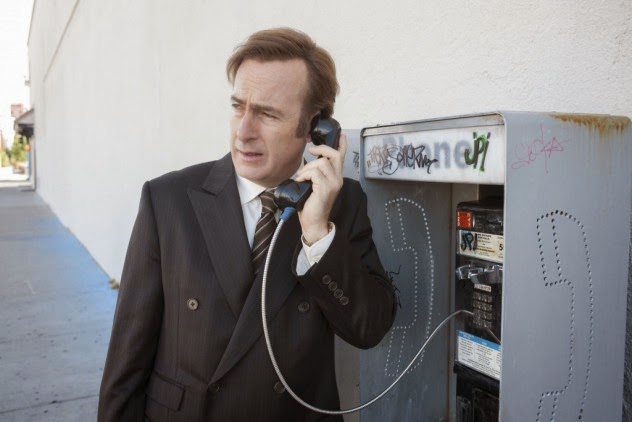
Ecco perchè "Better Call Saul" è una bomba!
"Produrre uno spin-off di discreto successo a partire da una serie Tv di enorme successo è molto difficile – mi viene in mente Frasier, spin-off di Cheers, e pochi altri, se escludiamo i vari Law & Order et similia. Il rapporto derivativo tra le due opere si fa gerarchico e il confronto impietoso. Non si può guardare uno spin-off senza ricondurlo continuamente all’originale, pratica che diventa ossessiva per i fan della serie che si sentono traditi per principio: sperano da un lato di ritrovare la grandezza precedente e, dall’altro, godono della consapevolezza che non la ritroveranno mai. Guardare uno spin-off rappresenta, per lo spettatore, la riconferma della superiorità della serie madre e questo sguardo, questo accesso allo spin-off, lo deteriora e lo rende incapace, per definizione, di raggiungere le vette già conquistate in precedenza.
Più la serie di riferimento è importante, più lo spin-off tenderà al disastro. Gli esempi sono tanti, da 90210 di Beverly Hills a Joey di Friends passando per The Cleveland Show di Family Guy e per lo storico Baywatch Nights. Tutti funzionano più o meno allo stesso modo: mantengono l’ambientazione, l’estetica e la poetica della serie originale prendendo un personaggio minore e rendendolo protagonista della narrazione. E, spesso e volentieri, vengono malissimo perché, di fatto, non sono altro che un tentativo, il più delle volte maldestro o puramente commerciale, di speculare sul successo delle serie maggiori: #sixseasonsandaspinoff.
Bene. E Better Call Saul, lo spin-off di Breaking Bad, com’è? Be’, Better Call Saul è una bomba, e non perché riesce a ricreare l’atmosfera di BB e restituircela attraverso modulazioni della sua poetica. No, BCS è una bomba proprio perché non è lo spin-off di BB. Vince Gilligan, la cui genialità evidentemente non si limita alla capacità di scrittura e inventiva, ha capito benissimo che la strada derivativa si sarebbe rivelata una dead end e ha pensato di fare qualcosa d’altro. Non un sequel e nemmeno un prequel, ché Walter White sarebbe entrato nell’empire business anche senza Saul. BCS è un’ulteriore stagione di BB in tono minore e la dinamica che si instaura tra le due serie non è gerarchica o derivativa ma di continuità. Vince Gilligan deve aver letto i pensatori francesi Gilles Deleuze e Felix Guattari, o almeno deve aver ragionato come loro, quando se l’è inventata. Ecco perché.
Deleuze e Guattari hanno scritto un libro enorme che si intitola: Kafka. Per una letteratura minore. L’idea è a suo modo semplice, ma di quelle che ti cambiano la testa per sempre, se la leggi per la prima volta a 22 anni e fai una facoltà che ti permette di bere molto vino tutte le sere: una letteratura minore non è la letteratura di una lingua minore ma quella che una minoranza fa in una lingua maggiore. Kafka era un ebreo di Praga, minoranza se ce n’è una, che scriveva in tedesco, lingua maggiore se ce n’è una. L’aggettivo «minore», in questo caso, non ha nulla a che vedere con il suo significato comune e peggiorativo. Una letteratura minore, o una serialità minore, non sono “peggio” dei corrispettivi maggiori; piuttosto sono diverse, il risultato di un’impossibilità. E allora? Allora prendi un personaggio minore, James M. McGill aka Saul Goodman, lo cali in un universo maggiore, l’Albuquerque di Breaking Bad, e vedi che cosa succede. Secondo me, succedono tre cose".
Per scoprirle, vai a questo LINK
Commento di Jacopo Cirillo, 18.03.2015

martedì 24 marzo 2015

GOSSIP -"Dopo 'Mad Men' mi prenderanno ancora sul serio?": la paura di Jon Hamm sul nuovo "GQ" 
Jon Hamm looks so dapper on the cover of GQ‘s April 2015 issue, on newsstands March 24.
Here is what the 44-year-old Mad Men actor had to share with the mag:
On what he will do next: “You button up into one of those suits and it’s like, ‘Okay, there’s a certain way that I feel. I feel confident. I feel put together. I feel great looking.’ The one constant thing I’ve had in my career is now removed. And that’s an eye-opener: Are people still going to take me seriously? Am I just going to do romantic comedies for the rest of my life? What’s next? And I don’t know, you know? I wish I was smug enough to have had a grand plan.”
On being an actor: “Whenever people want to talk about how hard it is to be an actor, I want to go, ‘Um, it’s hard to be a baby-heart surgeon.’ Being an actor is actually pretty easy, if you can memorize lines,”
Jon’s girlfriend Jennifer Westfeldt on his personality: “[He's] a goofball and a science nerd and a voracious reader and a fanatical Cardinals fan and a comedy geek.”
For more from Jon, visit GQ.com!
NEWS - Netflix, Sky o Mediaset? "E' il cliente che decide la domanda", Marco Patuano di Telecom dixit. "Grazie a noi - e alla banda larga - nascerà la tv via cavo in Italia" 

News e intervista tratta da "Affari&Finanza" de "la Repubblica"
Telecom Italia vuole realizzare in prima persona il Piano del governo per portare la banda ultralarga in tutto il Paese. Può farlo da sola accelerando gli investimenti previsti da qui al 2020, ma preferirebbe farlo con Metroweb avendo la maggioranza e senza coinvolgere altri operatori. Le trattative con Franco Bassanini, presidente della Cdp, si sono riaperte: l'ad Marco Patuano spiega ad Affari&Finanza le sue strategie. Dottor Patuano, il governo ha presentato il suo Piano strategico per la diffusione della banda ultralarga nel paese che prevede obbiettivi giudicati da tutti ambiziosi ma sfidanti. Tuttavia non è ancora chiaro chi lo realizzerà. «Il Piano del governo per lo sviluppo della banda ultralarga è fatto bene ma si è sovrapposto alle discussioni intorno al veicolo che dovrà realizzarlo e il tutto ha generato dei messaggi fuorvianti. Per sgombrare il campo dagli equivoci voglio innanzitutto dire che con il piano industriale di Telecom Italia si arriva al 2020 agli stessi obbiettivi fissati dal governo, cioè portare una connessione in fibra all'87% delle unità immobiliari. Di queste il 55% sarà collegato con la tecnologia Fttc (fibra fino agli armadietti in strada) e il 30-35% con Ftth (fibra fino dentro gli appartamenti)». E allora per quale motivo avete avanzato una manifestazione di interesse per entrare nel capitale di Metroweb, la società che ha realizzato la rete in fibra a Milano? «Nelle nostre intenzioni Metroweb fungerebbe da acceleratore, per anticipare di circa un triennio gli 1,4 miliardi di investimenti nella rete Ftth che normalmente Telecom Italia svilupperebbe da sola dal 2018 al 2020. Inoltre attraverso Metroweb si potrebbe realizzare la cosiddetta "equivalence of input", cioè la garanzia che tutte le richieste di allacciamento provenienti dagli operatori verrebbero trattate alla stessa maniera, processate in una società autonoma. Bisogna però capire che si tratta di due cose diverse che vanno trattate su due piani diversi: una cosa è il piano industriale che stiamo realizzando. Altra cosa è l'ipotesi di acquisto di una società che opera nel settore che può avvenire o meno, ma questo non incide sullo sviluppo della nostra rete». Ma anche Vodafone è interessata a Metroweb e ha già firmato una lettera di intenti. Voi escludete una coabitazione all'interno dello stesso veicolo? «Comprendo la mossa di Vodafone ma mi sento di escludere l'ipotesi della coabitazione. Non esiste un solo caso al mondo in cui una soluzione consortile abbia funzionato. Il motivo è presto detto: per realizzare il Piano ci vuole un operatore che svolga senza impedimenti un'attività operativa articolata e complessa. Poi occorre un quadro regolatorio adeguato e soci finanziatori che si facciano garanti del rispetto delle regole». Telecom un azionariato con un'importante presenza italiana. E questo fatto potrebbe rappresentare un problema anche per il futuro della rete di nuova generazione. «Telecom Italia è una public company, già oggi i principali azionisti sono i fondi internazionali. Stiamo dimostrando con i fatti che gli investimenti li stiamo facendo, e in maniera significativa. Per la rete di nuova generazione la soluzione sono regole e governance chiare fin da subito». È un fatto che entro giugno, con la conclusione dell'operazione Telefonica-Gvt, il gruppo francese Vivendi riceverà azioni Telecom Italia pari all'8,3% dei diritti di voto e diventerà il vostro primo socio. Sicuro che non cambi proprio nulla al vostro interno? «Avremo un azionista all'8% che per una public company non è poco, quindi Vivendi sarà un azionista molto importante. Con Vincent Bollorè, presidente e azionista di Vivendi, avevamo avuto discussioni molto interessanti sotto il profilo industriale quando stavamo preparando un'offerta per Gvt. Le sinergie che potranno essere sviluppate dipenderanno da quale sarà la futura strategia industriale di Vivendi, partendo dal fatto che oggi è un gruppo presente nel mercato della Tv con Canal Plus e della musica con Universal». A proposito di Tv, quando partirete con la commercializzazione dell'offerta congiunta con Sky, che porterà la pay tv nelle case via banda larga? «La partenza è prevista per dopo Pasqua». Conferma che state lavorando a un accordo simile anche con Mediaset Premium e con Netflix? «In Italia non esiste la Tv via cavo, dunque sarà la fibra a portarla nelle case della gente. È il cliente che guida la domanda, sarà lui a decidere se vorrà vedere Sky, Mediaset Premium o eventualmente Netflix o altri servizi che cercheremo di aggiungere al nostro bouquet». Dica la verità, c'è qualcuno che spinge per fare una fusione con tutto il gruppo Mediaset? «Nessuno ha mai fatto pressioni per promuovere operazioni non di mercato. E poi la nostra strategia è chiara, siamo trasportatori di contenuti di altri». Altri gruppi come Telefonica hanno invece comprato società televisive, Vodafone ha esaminato l'opzione Liberty e qualcuno dice che stanno parlando con Sky. British Telecom è entrata nel mobile e produce contenuti televisivi. Chi vincerà? «Sono chiaramente strategie differenti, ma il giudizio di merito varia da mercato a mercato. L'integrazione TV Tlc o la partnership possono essere entrambe vincenti a seconda dei mercati». Tra gli operatori tlc sembra sia partito il tanto atteso consolidamento europeo. Chi ha in mano le carte giuste? «Le compagnie telefoniche più piccole dovrebbero accorparsi tra di loro, mentre vedo più difficile un matrimonio tra big del settore. Qualcosa comunque accadrà. Bt ha comprato l'operatore mobile EE che era di proprietà di Orange e Deutsche Telekom. La prima in cambio della propria quota ha preso per la maggior parte cash, i tedeschi invece si sono fatti pagare interamente in azioni. Per motivi diversi entrambi potrebbero voler giocare la partita del consolidamento. Meno probabile lo faccia invece Telefonica, che è presente in Spagna e Sudamerica, è appena entrata in Germania ma ha venduto Irlanda, Repubblica Ceca, Gran Bretagna e Italia». Voi avete sempre l'incognita Brasile, un paese dove pensate di crescere ancora molto e dove sono ancora possibili operazioni straordinarie. La fusione con Oi è ancora d'attualità? «Operazioni di grande rilevanza non possono essere fatte se non nella chiarezza di governance con la controparte. Abbiamo bisogno che le condizioni siano quelle giuste e al momento non sembrano esserci. Abbiamo più volte dimostrato che siamo un gruppo manageriale prudente nelle nostre scelte strategiche». Se non altro grazie al Brasile avete ottenuto chiarezza nel vostro azionariato. Facendo un'offerta per Gvt avete costretto Telefonica a scegliere tra voi e il consolidamento brasiliano. «In effetti quella su Gvt era una situazione "win-win" per noi. Se andava in porto avremmo creato il primo operatore integrato brasiliano, in caso contrario Telefonica avrebbe dovuto scegliere». Sicuro che non vi serve un aumento di capitale? Il debito è ancora alto e in bilancio c'è ancora tanto avviamento. «Dopo un bond convertendo da 1,3 miliardi e altri 2 miliardi di bond convertibile al tasso dell'1,125 la situazione patrimoniale è stata messa in sicurezza. Per quanto riguarda gli avviamenti la situazione economica prospettica sta migliorando e dunque si riduce la possibilità di nuove svalutazioni che derivino dalle condizioni di business. Il gruppo sta lavorando bene: nel 2013 la capitalizzazione di Telecom Italia era di 11,5 miliardi, oggi supera i 20 miliardi».
Dunque anche voi avete ripreso a trattare con Metroweb ma non volete altri soci operativi e almeno il 51% della società fin da subito. Giusto? «Il tavolo di conversazione con i due soci FSI e F2i è aperto, abbiamo chiarito l'intenzione di realizzare un piano industriale ambizioso che dovrà comunque ottenere il preventivo assenso da parte di tutte le authority». E per quanto riguarda il nodo del 51% fin da subito, sul quale si erano in un primo momento interrotte le conversazioni, ritiene possa essere superato? «Non vi è dubbio che l'operatore che partecipa a Metroweb deve avere nelle sue mani il controllo operativo del progetto. Le modalità con cui si può arrivare a questo obbiettivo sono diverse e sono attualmente oggetto di discussione». Nel caso non riusciste a trovare un accordo non vi è il rischio di sovrapposizioni con altri operatori nelle aree più interessanti dal punto di vista economico? «È possibile e qualora sorgesse questo problema spero prevalga il buon senso. A noi non mancano certo le risorse, i due miliardi raccolti settimana scorsa con il bond convertibile possono essere anche utilizzati per accelerare gli investimenti sulla banda ultralarga. Siamo molto flessibili sotto questo punto di vista e l'indebitamento ormai è sotto controllo». Poiché le cifre che girano sono le più disparate, secondo i vostri calcoli quanti soldi servono per realizzare tutta la rete di nuova generazione ipotizzata dal governo? «Se si parla delle aree A e B identificate dal Piano governativo come quelle a maggior ritorno di mercato una modalità efficiente di copertura può essere realizzata con 2,5-3 miliardi di euro; ovviamente questo è possibile grazie alla pianificazione di un mix di copertura Fttc e Ftth secondo le esigenze attese della domanda. Per coprire anche le aree C (a medio bassa densità abitativa) occorreranno degli incentivi mentre per le D (rurali), quelle a fallimento di mercato, all'interno delle quali abita il 15% degli italiani, si può andare solo con un determinante intervento pubblico». L'obbiettivo finale del 35 o addirittura 45% di rete in fibra a 100 Megabit al secondo nel 2020 quindi è raggiungibile? «É raggiungibile anche se la sola domanda di ultra-internet fisso potrebbe non essere del tutto sufficiente a coprire i costi. Ma ciò non ci spaventa perché con il progredire della tecnologia le reti non saranno più definibili nettamente tra fissa e mobile. In futuro la rete a banda larga servirà anche a sviluppare la rete mobile di 5° generazione che utilizzerà antenne più piccole per coprire zone più concentrate con altissima capacità sia mobile che wi-fi. Dunque una diffusione della fibra molto capillare può diventare un vantaggio nel medio periodo». A proposito di torri, le avete scorporate e volete procedere spediti verso la quotazione entro l'estate. Sinergie con le torri televisive? «La quotazione è ormai deciso che venga realizzata entro l'estate. Con la diffusione della rete mobile 4G poseremo altre 4-5 mila antenne che andranno a integrare quelle già esistenti e ad aumentare il valore della società. Non vedo sinergie significative con le torri televisive, anche perché queste generano un campo elettromagnetico molto più elevato rispetto a quelle telefoniche».

lunedì 23 marzo 2015

NEWS - Clamoroso al Cibali! "X-Files" tornerà. E' (quasi) ufficiale

News tratta da "Uproxx"
Back in January, confirmation surfaced from Fox that discussions were underway for a potential revival of The X-Files — similar to the network’s 24: Live Another Day event series. Since then, talks have remained just that — talks. There’s still no active greenlight for the series, but some new reports say that may soon change.
Per sources, the network has settled on a “short-stack” order for the revival and while the exact size of the order is yet-to-be-determined, I’m told it will be less than ten episodes (though It can’t confirm the Daily Mail’s report that it will be six). It should be stressed, however, that talks with sister studio 20th Century Fox Television are still on-going. (Via TV Wise)
In order for the series to go into production, both the Fox network and its partner studio 20th Century Fox Television (different entities under the same umbrella) need to sign off on the project.
If intense negotiations can be finalized soon, then filming of six episodes of the very last look at the X-Files, the sci-fi show that launched [Gillian Anderson] and David Duchnovny 22 years ago, could be under way as early as June. (Via The Daily Mail)
If everything works out, the revival will likely serve as the network’s 2016 summer event show — a tradition than began with 24 and will continue with the upcoming Wayward Pines. With any luck, confirmation will come within the next month or two so that we can all start updating our fan fiction again.

"Il trivial game + divertente dell'anno" (Lucca Comics)

"Il trivial game + divertente dell'anno" (Lucca Comics)
Il GIOCO DEI TELEFILM di Leopoldo Damerini e Fabrizio Margaria, nei migliori negozi di giocattoli: un viaggio lungo 750 domande divise per epoche e difficoltà. Sfida i tuoi amici/parenti/partner/amanti e diventa Telefilm Master. Disegni originali by Silver. Regolamento di Luca Borsa. E' un gioco Ghenos Games. http://www.facebook.com/GiocoDeiTelefilm. https://twitter.com/GiocoTelefilm

Lick it or Leave it!

Lick it or Leave it!