mercoledì 6 novembre 2013


L'EDICOLA DI LOU/GOSSIP - Sexy Claire! La Danes di "Homeland" sulla cover di "Interview" di dicembre intervistata da un "certo" Dustin Hoffman (è la consacrazione, bellezza!)

From a so-called misunderstood teen to a manic bi-polar CIA agent, actress Claire Danes has animated two unforgettable household names in television.
The 34-year-old star posed topless for a sexy photo shoot in the December issue of Interview magazine and opened up to guest interviewer Dustin Hoffman about playing Angela Chase on "My So-Called Life" versus Carrie Mathison on "Homeland."
"I'd actually only done one series before 'Homeland' and I was 14 when I did it, and we only made 19 episodes-so 'Homeland' has really been my first time aging with a character and experiencing her develop and change," Danes told the 76-year-old iconic actor.

Danes, who married actor husband Hugh Dancy in 2009 and is a mom to 10-month-old son Cyrus, compared her relationships on the show to her real life.
"I know Mandy Patinkin's (her character's boss and mentor Saul Berenson) process-I know his music and how to run and to play with it. It's such a gift to get to know an actor over this many years-and always in a new context. It's like being in a marriage."
As to how she impeccably captures the personality of someone diagnosed with bi-polar disorder, Danes admitted to the mag she watched several YouTube videos of users who kept diaries when going through the initial stages of mania, much like Mathison's frenzied spells on camera.

martedì 5 novembre 2013

IL GIOCO DEI TELEFILM - Il "Gioco dei Telefilm" eletto da "Wired" in edicola tra "i 50 migliori giochi" in circolazione! E il Natale si avvicina...
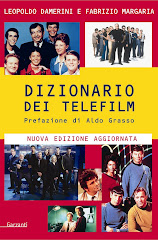
L'ultimo numero di "Wired" in edicola è interamente dedicato ai giochi. Da quelli da tavolo a quelli di ruolo, passando per i videogames. già di per sè imperdibile. Ma nell'elenco dei "50 migliori giochi" (e quelli "più intelligenti") campeggia pure il "Gioco dei Telefilm" (Ghenos Games) di Leo Damerini e Fabrizio Margaria, già autori del "Dizionario dei Telefilm" (Garzanti) e direttori artistici del Telefilm Festival. Questa la motivazione del mensile: "Qual è il soprannome della sorella di Richie Cunningham in Happy Days? Che origini ha la famiglia di Stella Bonasera, protagonista di Csi New York? Ecco un piccolo assaggio delle oltre 700 domande di questo gioco che mette a dura prova i fan più incalliti delle serie tv. Anche perché non è solo un trivial: per vincere e diventare Telefilm Master ci vuole anche una buona strategia".
FATTORE WIRED: Un’infornata di cultura pop.

lunedì 4 novembre 2013

GOSSIP - WTFG, TWD!
NEWS - Guerra totale! Non solo Netflix: FX, TNT e Turner nel ring della tv di domani (anzi, di oggi ormai...), dove gli ascolti non saranno più diktat (eureka!)

Articolo tratto da "Vulture"
Let’s say that your friends have become increasingly obsessed with a new TV show that’s already on episode eleven of a thirteen-episode season. You finally realize that you are missing out on something great and want to quickly catch up in time for the finale … but you’re out of luck. Most networks only have rights to stream the last five episodes of their series on their websites and VOD, and Netflix usually doesn’t post the whole season until a few weeks before the next season begins. But Vulture has learned that a couple of cable’s biggest programming powerhouses, FX and Turner, are fighting back on this industry standard, telling TV studios that they will not buy any new show unless it comes with the right to keep streaming every episode in a current season until it ends. Netflix has made its position on the issue clear: If studios give into these demands, the service could dramatically cut the price it pays for streaming rights, potentially denying producers millions of dollars in revenue. A battle of the binge is brewing.
Before getting into the clash, a quick lesson is in order for how streaming has changed the traditional economics of TV production. When a network picks up a show, it doesn’t own it; it essentially leases the episodes of a season for a pre-determined window (usually one year) from the studios that make them. Because the networks are renting and not buying, they usually pay around 60 percent of production costs and make their money back (and, presumably, a profit) by selling ad time. Studios try to recoup their 40 percent outlay via international sales or syndicating reruns. But in recent years, both sides of this financial equation have come under attack.
At the networks, ad revenue has been squeezed by the rise of time-shifting and other alternative means of watching shows. While networks love to tout how many viewers are watching a show a week after it airs (so-called "L+7" ratings), advertisers only pay for viewers who watch commercials, and then only if they watch within three days of an initial telecast (C3 ratings, in industry parlance). According to a senior cable network executive, it's not unheard of for that C3 number to be anywhere from 35 to 45 percent below the L+7. "That means we're losing [35 to 45 percent] of our ad revenue," says the suit.
Meanwhile, studios have been feeling the pain because syndication deals, while still a big part of their profit formula, are not nearly as reliable or lucrative as they might have been even five years ago. Some cable networks, like TNT, that used to rely on reruns of old network dramas have diverted more resources to creating their own scripted hours. And with comedy, some networks are finding it more cost-effective to create 100 episodes of a show on the cheap (like FX's Anger Management) rather than pay big bucks for a modestly rated network sitcom.
This is where Netflix comes in. At about the same time networks and studios were coming to grips with the respective threats to their business models, Netflix — facing the end of some of its movie rights deals — began a major push to add more TV series to its service, offering to pay top dollar to studios. In 2011, it worked out a deal with Warner Bros. TV and CBS Studios to funnel an estimated $1 billion over several years to the studios in exchange for the right to stream the shows they produced for the CW. The studios behind AMC's Breaking Bad and Mad Men also struck lucrative agreements with Netflix. Netflix is now paying as much as $750,000 per episode for top shows, a sum that can make the difference between profit and loss for a show. "It's put pure heroin into the veins of studio executives," a veteran industry insider tells Vulture, adding that Netflix money "has become the de facto domestic syndication window" for a number of shows.
For studios and Netflix, the benefits are clear: The program suppliers have found a new, reliable source of income, while the streaming giant gets premium content that it can use to drive subscription growth. (It's working: This week Netflix announced it added another 1.3 million customers over the summer, giving it more subscribers than HBO.) Many observers argue that the hundreds of millions Netflix is paying to acquire shows from studios is helping to fuel a surge in original scripted programming, since the Neflix money makes taking a chance less risky. Much has also been made about how Netflix is good for networks, too: Ratings surges for Breaking Bad, Scandal, and other shows have been linked to late adopters getting hooked via Netflix.
But FX and Turner don't believe it's win-win-win, which is why they want streaming and VOD rights to the entire current seasons of their series, not just the last five episodes. The main argument: that the incomplete set hampers a network’s chances of turning latecomers into regular viewers in a first season. "Unless you have the whole season up, you're not really letting viewers come into a series," our veteran industry insider says. What's more, unlike Netflix, networks sell unskippable advertising for their own streaming and VOD channels; the more episodes, the more potential ad revenue, and for a longer period. "They want people to be able to watch full episodes any time within a season, with commercials," the insider adds. Right now, industry execs admit the additional ad revenue doesn't amount to much. "But this is about the future," says the senior cable executive. "It's about finding a way to make the current system more viable as non-linear consumption becomes more and more important."
Studios, however, are balking — at least for now — at letting networks pile up all episodes of a season on streaming and VOD, or “stacking,” as it's called in the industry. Studio execs say Netflix has made it clear that it will pay significantly less for streaming rights to stacked shows.  This, even though the networks say they only want to stack current seasons of a show for a window that wouldn't even overlap with when Netflix takes it over. (FX, for instance, is looking to run a season online and on VOD until 30 days after the finale.) These executives say Netflix brass have said they believe that any expanded online exposure of a season makes it less special when it finally goes live with them. Last month, the streaming giant's chief content officer Ted Sarandos all but confirmed this to The Wall Street Journal, saying, "The less exploited shows are through on-demand services, the more valuable they are to us." The amount Netflix penalizes producers for stacked shows varies widely: In some cases, it might go as high as only paying half as much as it otherwise would for a show that's been stacked, but one person familiar with Netflix deals says that the penalty is frequently about 20 percent per episode. That means if a thirteen-episode unstacked drama fetches $500,000 per episode from Netflix, a studio could lose out on $1.3 million for the season in Netflix revenue if the network is given full-season streaming and VOD rights. A studio exec who has previously worked on the network side was incredulous at the FX/TNT demands: "Why would we do a show with them when we're limiting our upside?" he says.
In conversations with studio execs, Landgraf has been very clear about why he thinks studios need to be willing to walk away from the extra Netflix dough: survival. The FX exec is not anti-Netflix: Many of his shows, like Louie and Sons of Anarchy, thrive on the service. But multiple industry sources who've heard Landgraf's take say the FX chief believes that networks and studios need to work together to preserve as much of the current advertiser-supported entertainment ecosystem as possible rather than blindly chase a few extra digital dollars. With neither Amazon nor Hulu yet able to prove an effective streaming competitor, the fear is that Netflix is becoming too much of a monopoly, one building its brand on the back of cable and broadcast network programming it snapped up for a relative pittance (compared to the millions spent to produce and market the shows). "He's worried Ted [Sarandos, Netflix's content chief] is going to destroy the business," a studio executive who's heard Landgraf's pitch says. Some also suggest the networks' new tough line may be related, at least in part, to jealousy over  Netflix's sudden transformation into an original programming player with shows such as House of Cards and Orange Is the New Black. 
Landgraf and the Turner execs may not only be girding for this fight for themselves: At least two industry executives Vulture spoke with for this story suggested that this battle is actually being waged on behalf of the cable and satellite companies that distribute these networks. After all, Netflix has been seen as something of an existential threat to the TimeWarner Cables and DirectTVs of the world since it offers a ton of content for a fraction of their price. In response, cable companies have been demanding networks make as much of their content as possible available for their video on demand platforms to entice (or hold on to) subscribers. One of the big issues in the nasty spat between CBS and Time Warner Cable, which kept CBS and Showtime off Time Warner systems for more than a month, was Time Warner's desire for more on-demand content from CBS networks, as well as limits on how the Eye sold its content to platforms like Netflix. And earlier this year, when Fox and Comcast announced a new deal to keep Fox's networks on the cable system, Comcast issued a press release touting how full seasons of Fox and FX shows would now be available via its Xfinity service. "This is all about cable companies exerting enormous pressure on the networks … telling them, 'If you want your big carriage fees and your increased retransmission fees, we need to be able to offer all of your content everywhere, all the time,'" the veteran industry insider says.
Whatever the rationale, FX and Turner's push to land stacking rights for new series has already sunk some projects. Two sources familiar with the situation say that Turner's TNT and TBS "have walked away" from pilot deals because of differences over VOD. Likewise, I hear from two industry sources that FX has lost out on at least one potential pilot deal because of stacking demands, while another project is currently in limbo while FX and executives at the studio involved try to see if a compromise is possible. One studio executive, however, insisted to Vulture that FX will not be able to get stacking rights unless it agrees to make up for any lost Netflix revenue: "None of the big studios is going to go for this … they're going to have to pay for stacking if they want it," he says.
In the short term, all of the skirmishing among studios, networks, and Netflix probably won't have a negative impact on viewers, and might even have an upside. Viewers who don't subscribe to Netflix or don't want to wait until a series lands on the service may have more, and cheaper, viewing options to catch up. But it's also easy to see these battles playing out in a way that harms consumers. If, as Landgraf argues, Netflix poses a threat to the status quo, we could be headed toward a world where annoying advertisements are replaced by higher cable and broadband bills. Or perhaps the anger FX and TNT feel toward Netflix's strategy leads to networks and studios trying to weaken Netflix by putting more of their content on Amazon, Hulu Plus, or some as-yet-developed platform. It's also possible that all parties involved will come up with a way to make sense of TV's brave new world, and traditional networks and streaming services such as Netflix will come to the conclusion they can coexist while still making millions and millions of dollars every year. "There will be a solution," says the veteran executive who compared Netflix's money to heroin. "Just not today."

domenica 3 novembre 2013

GOSSIP - Clamoroso al CibaLizzy! La Caplan di "Masters of Sex" dà lezioni di seduzione su "GQ" (Usa)


sabato 2 novembre 2013

IL GIOCO DEI TELEFILM - A LuccaComics si gioca con le serie tv col "Gioco dei Telefilm" (Stand Ghenos Games)
Come l'anno scorso, il GIOCO dei TELEFILM sarà a Lucca Comics (31/10-3/11) presso lo stand Ghenos Games (Padiglione Carducci, Stand B017). Lungo tutta la manifestazione, il primo gioco in scatola sulle serie tv sarà in vendita al prezzo speciale di 25 euro. Possibilità di effettuare partite dimostrative e capire di prima mano il regolamento di un gioco che non può mancare nelle case di un/una telefilmaddicted.
Lungo 750 domande il gioco promette di avvincere i partecipanti in una partita in cui la conoscenza seriale è sì un vantaggio, ma non basta. La tattica e la fortuna fanno il resto. Oltre che l'astuzia di andare a "rimorchio" della conoscenza degli avversari con una serie di "puntate" che possono agevolare il titolo di Telefilm Master!

giovedì 31 ottobre 2013

GOSSIP - Non siate serial, è Halloween! I migliori travestimenti dei volti seriali nella Notte delle Streghe
Chris Colfer
Emily Vancamp+Nick Wechsler
Jenna Ushkovitz
Lea Michele+friend
Naya Rivera
Shenae Grimes
TWITTER-JAM - I migliori tweet seriali della settimana

mercoledì 30 ottobre 2013

L'EDICOLA DI LOU - Stralci, cover e commenti sui telefilm dai media italiani e stranieri

LA STAMPA
"Masters of Sex", quando le serie tv perdono l'età dell'innocenza
masters_of_sex_book_cover"Durante l'età dell'innocenza, quando ancora nessuno aveva deciso di studiare e classificare le posizioni a letto e l'intensità dei piaceri e dei dispiaceri erotici, un ginecologo di nome William Masters, che aveva ottenuto il permesso di spiare il lavoro di una prostituta per prendere appunti e scrivere il primo trattato sul sesso, si stupisce all'incredibile rivelazione della signora: ha appena finto l'orgasmo, per accelerare un cliente e ottimizzare la giornata.
"E' una pratica diffusa fra le prostitute?", chiede il ginecologo, con il sincero sconcerto di Cappuccetto Rosso quando vede la nonna a letto con una faccia da lupo. "E' una pratica diffusa fra chiunque abbia una vagina", risponde la signora, annoiata, forse non laureata in Sessuologia ma con qualche esperienza di vita.
La simulazione routinaria dell'orgasmo è una delle prime sconvolgenti e ingenue scoperte di questa ricerca sul sesso, che si trasformerà, undici anni dopo, in un libro fondamentale, "L'atto sessuale nell'uomo e nella donna", pubblicato in America nel 1966, frutto delle ricerche della ormai famosa, pionieristica coppia Masters and Johnson, ginecologo colto e segretaria sveglia e divorziata già due volte.
Era la fine degli anni Cinquanta, momento perfetto per farne una passerella di fili di perle, gonne che fanno la ruota, reggicalze, unghie laccate, colletti rotondi e mondi puritani pieni di ombre (e luci).
Raccontare la rivoluzione sessuale entrando nelle camere da letto, raccontare le camere da letto facendo un po' di storiografia americana: ecco quindi "Masters of Sex", nuova serie tivù sui pionieri che hanno trasformato l'atteggiamento dell'America (e del mondo) verso il sesso, e sulle loro cavie, esseri umani in mutande con fremiti, amorosi o no, spesso con aspettative deluse, scandali nascosti e cuori spezzati dopo notti grandiose ("Una volta che hai visto il regno di Oz, chi è che vuole tornare in Kansas?").
Era scandaloso, all'epoca, anche pensare di studiare il sesso in laboratorio, utilizzando esseri umani che si accoppiavano (ne servivano centinaia, per avere una buona statistica sulle posizioni, la lubrificazione, la nudità, il turgore eccetera), e la signora Virginia Johnson era una segretaria di basso livello, ex cantante, senza laurea, ma aveva quel senso della vita che al ginecologo secchione, deciso a entrare nella storia, mancava:masters of sex sapeva fare le domande giuste, mettere la gente a proprio agio mentre chiedeva loro che cosa li eccitava ed era capace di flirtare con medici e infermieri in ospedale per convincerli a fare sesso in nome della scienza. Metteva con disinvoltura i sensori addosso a tizi che si dovevano masturbare per la ricerca.
Naturalmente il ginecologo e la ragazza sveglia, che sa che le donne sono portate a confondere spesso il sesso con l'amore, si innamorano davvero, già durante le prime puntate (anche nella vera vita di Masters and Johnson) e lui anni dopo lascerà la moglie per sposare la sua rivoluzionaria assistente e anima gemella, da cui fece poi in tempo a divorziare.
Di solito il sesso è lo scopo, questa volta il sesso è invece il protagonista svelato, e quindi solo il pretesto per raccontare il mondo intorno, anche i sacchetti di seta per la testa che la madre di William Masters cuciva per le cavie umane, quando dovevano accoppiarsi senza guardarsi in faccia. Masters and Johnson sono riusciti a passare alla storia e cambiare il mondo, perfino, ma soprattutto si sono molto divertiti.

martedì 29 ottobre 2013

L'EDICOLA DI LOU - Stralci, cover e commenti sui telefilm dai media italiani e stranieri

CORRIERE DELLA SERA
I fans patologici della serie "Cult"
"Quando la tv parla di tv è sempre un bel rischio: cedere in modo troppo convinto alla tentazione del «metalinguaggio» non sempre porta a risultati felici, bisogna essere dei maestri del racconto per padroneggiare lo strumento (come fa Aaron Sorkin nelle sue serie tv). È un rischio che corre anche il telefilm americano «Cult», iniziato su Premium Action (venerdì, ore 21.15). La storia è questa: Jeff Sefton, un giornalista affascinante e incasinato, scopre che intorno a una serie televisiva in onda sul canale statunitense CW si stanno formando degli strani fenomeni di culto, con fan che prendono troppo sul serio i fatti narrati negli episodi (si tratta di un thriller), giochi di ruolo basati sui personaggi della serie, siti web dedicati al telefilm che diventano labirinti con indizi che debordano nella vita reale. E poi misteriose sparizioni, addirittura omicidi e suicidi che rimandano a una specie di setta di adepti riconoscibili da evidenti segni (frasi in codice, tatuaggi simbolici). Quando anche Nate, il fragile ed emotivo fratello di Jeff, scompare lasciando dei messaggi inquietanti, il giornalista decide di indagare sull'oscura vicenda, aiutato dalla giovane Skye, un'assistente di produzione che lavora proprio sul set della serie incriminata e ha capito che qualcosa non va. Il telefilm gioca continuamente su piani diversi, in un intreccio costante tra finzione e realtà, che a tratti non è immediato da comprendere. La cosa interessante è come la serie rifletta sulla televisione a partire da un approccio molto classico, ormai superato: quello dell'influenza diretta e ipodermica dei contenuti dei media sui comportamenti dei loro spettatori. In questo schema, i fan sono soggetti patologici e deviati, lo sguardo sulla tv è sempre venato dalla paura che «faccia male» a chi la guarda".
(Aldo Grasso, 28.10.2013)

lunedì 28 ottobre 2013

PICCOLO GRANDE SCHERMO - Katie Cassidy, da "Arrow" diventa "Icon" al cinema in un film all-star telefilmiche
Katie Cassidy si è fatta conoscere al grande pubblico con “Arrow” (la seconda stagione in anteprima su Premium Action, ogni martedì in prima serata), dopo esser passata più o meno fugacemente in “Gossip Girl”, “Harper’s Island” e “Supernatural”. Figlia della nota popstar anni ’70 David Cassidy e della modella Sherry Williams, Katie parteciperà all’atteso thriller cinematografico “The Scribbler”, atteso nelle sale nel 2014. Più che la trama, colpisce il cast all-star (seriali): Michelle Trachtenberg (già in “Buffy” e collega di set di Cassidy in “Gossip Girl”), Eliza Dushku (“Buffy”), Michael Imperioli (“I Soprano”), Garret Dillahunt (“Raising Hope”), Billy Campbell (“The Killing”), Gina Gershon (“Spie”, “How to make it in America”). Sul set anche l’ex pornostar diventata icona di culto – nonché scrittrice a tinte forti – Sasha Grey. Nel frattempo Katie Cassidy è comparsa in settimana, più sexy che mai, sulle pagine di “Icon” (nelle foto). (Notizia tratta dalla Newsletter #64 di QuiMediaset)

domenica 27 ottobre 2013

sabato 26 ottobre 2013

L'EDICOLA DI LOU - Stralci, cover, libri e commenti sui telefilm 

Uscito "Un anno con il Serial Club", il primo libro social-televisivo

Dieci serie TV, dieci capitoli, dieci persone. Dieci amici, anche se non si sono mai incontrati faccia a faccia. Dieci addicted, famelici non solo di episodi, ma anche di opinioni. Un anno con il Serial Club è il primo libro social-televisivo, scritto a più mani, perché, per dirla parafrasando Montale, se “con quattro occhi si vede di più” figuratevi con venti.  L'obiettivo del volume #0 di questa collana è quello di identificare e analizzare le dieci produzioni più significative dell'annata a cavallo tra settembre 2012 e agosto 2013. La scelta è stata fatta prendendo come modello un paradigma ambizioso, quella utilizzato dal magazine Time per stilare le cento personalità più influenti dell'anno. Allo stesso modo il libro assegna le etichette di artisti, titani, leader, pionieri e icone della televisione seriale. L'idea di realizzare una collana “collettiva” è di Alessia Barbiero, giornalista professionista. Un anno con il Serial Club è scritto con l'aiuto di altri 9 membri (8 autori e un illustratore), appartenenti al gruppo nato su Twitter un anno e mezzo fa ma traslocato velocemente su Facebook. Si tratta di un gruppo aperto ma non affollato che racchiude i fanatici del settore, che si sono prestati per questa avventura che è al tempo stesso un esperimento sociale e un'analisi critica e dettagliata di tutti quei prodotti che hanno contribuito a elevare la televisione seriale a cultura popolare.

INFORMAZIONI PRATICHE
Il libro è una produzione indipendente ed è in vendita in versione ebook e versione cartacea su Amazon. E' a cura di Alessia Barbiero. Le illustrazioni sono di Marco Gasperetti. Gli autori che hanno collaborato alla stesura dei capitoli (in ordine di comparsa nel testo) sono Riccardo Cristilli, Greta Cortesi, Elisabetta Porcu, Samuele Magnante, Gloria Cadeddu, Davide Allegra, Davide Consolandi, Stefano Mastropaolo.

venerdì 25 ottobre 2013

GOSSIP - Ma chi l'ammazza? Tutti all'inferno con l'ultimo video-singolo della "gostrippata" Momsen e i suoi Pretty Reckless
Una "gostrippata" Taylor Momsen ("Gossip Girl") è protagonista - più vestita che mai - del nuovo video-singolo dei Pretty Reckless "Going to Hell". Un titolo, un programma. Per qualcuno un augurio.

giovedì 24 ottobre 2013

NEWS - Il futuro delle serie tv corre sul cavo! Agli inizi del 2014 arriva Netflix in Italia. Mediaset e Sky rispondono con Infinity e River
Articolo tratto dal "Corriere della Sera"
"Si allarga l'offerta della tv on demand anche via web. Dopo anni, questa volta sembra esserci una data, pur vaga, per l'approdo di Netflix in Italia. A fornirla al Corriere è direttamente un dirigente della tv via Web californiana: «Non abbiamo ancora fatto annunci in termini di apertura a nuovi mercati. Ma non possiamo escludere l'arrivo già dalla prima metà del prossimo anno». È chiaro, così, che nel 2014 si allargherà ufficialmente anche da noi la battaglia per i contenuti video online, legali e di qualità, che negli Stati Uniti ha già consacrato Netflix, capace di 38 milioni di utenti nel mondo che hanno deciso di pagare otto dollari al mese all'azienda in cambio di un catalogo da oltre 50 mila titoli tra serie tv e film. Per non farsi trovare impreparati dall'arrivo, in ritardo, del colosso Usa, sono pronti a scendere in campo due big della televisione italiana. Mediaset, con Infinity, e Sky Italia, con River. Del progetto Infinity del Biscione si è scritto molto pur avendo pochi dettagli. Ma complici le recenti indiscrezioni sulle mosse di Sky, Mediaset ha deciso di venire allo scoperto e ha raccontato al Corriere diversi dettagli sul proprio servizio, al debutto il 9 dicembre. Premium offrirà un catalogo di circa 5000 titoli tra film, serie tv, fiction e cartoni animati. Una «libreria» che raccoglierà pellicole uscite tra il 1950 e il 2012 e solo serie tv complete, un catalogo ampio, con materiale già visto ma riorganizzato in un'offerta adatta a giovani e famiglie. Due le settimane di prova previste, dopodiché l'abbonamento mensile sarà di 9 euro, pagabile con carta e Paypal. Per accedere al servizio basterà la registrazione. Accanto all'offerta a costo fisso, Mediaset ha previsto un pacchetto in pay per view (a circa 3 euro): i film ancora in sala. Per accedere al catalogo supplementare, e acquistare il singolo film, non occorrerà sottoscrivere l'offerta mensile. Ad Infinity si potrà accedere da pc, smartphone, tablet (Android e iOs, con applicazione nativa), dalla tv di casa grazie agli accordi con i produttori di Smart Tv, dalle console Playstation e Xbox, e infine dai decoder satellitari e terrestri bollino Gold. Con un solo account si potranno visualizzare i contenuti su cinque dispositivi, e su due in contemporanea. Un'offerta interamente in HD, con doppio canale audio e anche sottotitoli in lingua originale. Tra i contenuti nessun anticipo di prodotti trasmessi dai canali generalisti.
Cologno Monzese per una volta gioca d'anticipo e la risposta web di Sky si chiamerà River. Il «fiume» dello streaming di Murdoch e soci dovrebbe iniziare a scorrere da febbraio-marzo e il servizio non avrà nessun vincolo contrattuale: così come con Infinity, e il papà Netflix, il cliente potrà sottoscrivere l'offerta per un periodo limitato, e poi decidere di rinnovarla anche mese per mese. Il modello è quello di NowTv, la piattaforma della britannica BSkyB, dove con 9 sterline si può portare a casa lo Sky Movies Pass , e avere a disposizione per un mese una selezione dei film in programmazione sulla pay tv. Con poco meno di 10 sterline, invece, ci si assicura la compagnia dei sei canali sportivi targati BSkyB. Il prossimo anno dunque sembra essere quello giusto in cui anche l'Italia si allineerà al resto dei Paesi europei in termini di offerta di contenuti di intrattenimento online, di qualità e a basso costo. E quello in cui l'incertezza sullo sbarco di Netflix potrebbe come detto terminare. E il gigante americano, che ha tracciato la linea del nuovo modello di tv online senza decoder e contratto, per una volta arriverebbe in ritardo".

mercoledì 23 ottobre 2013

L'EDICOLA DI LOU - Stralci, cover e commenti sui telefilm dai media italiani e stranieri

CORRIERE DELLA SERA
"Homeland" indaga nelle zone d'ombra
"È iniziata la terza stagione di «Homeland» ed è ripartita, fatalmente, dall'attentato terroristico che è costato la vita a 219 persone, tra cui il direttore capo della Cia. Le autorità ritengono che Nicholas Brody (Damian Lewis) sia coinvolto, ma Carrie Mathison (Claire Danes) lo ha aiutato a fuggire convinta della sua innocenza. Brody, intanto, è uccel di bosco, latitante. Saul (Mandy Patinkin) sta lavorando a un piano per contrastare i terroristi ma i suoi tentativi di rimettere in piedi la Cia subiscono un brusco arresto, quando Carrie diventa oggetto di una dura inchiesta di una commissione del Senato (Fox Hd, lunedì, ore 21). L'angoscia regna sovrana: Carrie decide, contro la volontà della sua famiglia, di non assumere i farmaci per il suo disturbo bipolare, convinta che i medicinali le abbiano impedito di essere lucida al momento dell'esplosione. La malattia compromette il suo giudizio? La sua teoria accusatoria è solo paranoia, un castello di sabbia, il vaneggiamento di una mente instabile? Per lungo tempo la serie ci lascia senza una risposta definitiva, giocando a mischiare le carte in tavola. In «Homeland» tutto è molto complesso e sfumato, l'uso della forza non è mai privo di conseguenze, fisiche ed emotive, gli agenti non sono realistiche versioni dei supereroi ma uomini e donne in carne e ossa, tormentati, dubbiosi, inflessibili nel loro lavoro ma sempre consapevoli che le maniere forti hanno risvolti pesanti su chi le subisce e su chi le pratica. Mentre Carrie è alle prese con la sua instabilità emotiva, la famiglia di Brody, abbandonata dal corpo dei Marines e diseredata dal consesso della «società civile» si trova ad affrontare mille difficoltà. A farne le spese è l'anello più debole, la figlia Dana, in pieno turbamento adolescenziale. Il vero tema della serie resta la zona d'ombra, il terreno più adatto alla contraddizione, alla simulazione, all'ambiguità. (Aldo Grasso, 17.10.2013)

martedì 22 ottobre 2013

PICCOLO GRANDE SCHERMO - L'occasione di Damian: Lewis di "Homeland" tenta il grande salto al cinema al fianco della Kidman per la regia di Herzog!

Notizia tratta da Deadline.com
Damian Lewis, who has won Golden Globes and Emmys for his work as POW-turned-terrorist Nicolas Brody in Showtime’s Homeland, is near a deal to star opposite Nicole Kidman in director Werner Herzog’s Queen Of The Desert. The UK-born Lewis won’t have to hide his homegrown accent for the feature: he will play Lt. Col. Charles Doughty-Wylie, an unhappily married English war hero who engages in a turbulent affair with Gertrude Bell (Kidman), with whom he exchanged love letters with from 1913-1915 until he was killed in active duty at Gallipoli. Production is scheduled to begin in December.

Queen Of The Desert refers to Bell, the iconic explorer, writer, archeologist and attaché for the British Empire who is credited with helping to catalyze the formation of the Middle East at the dawn of the 20th century. Nick Raslan is producing through his Palmyra Films banner along with Cassian Elwes and Michael Benaroya. Benaroya Pictures banner is financing the film. Sierra/Affinity will handle international sales.

NEWS - (Ri)mettete la freccia! Da stasera la seconda inedita di "Arrow" con Flash
Rimettete la freccia, ritorna "Arrow"! La serie-fenomeno della scorsa stagione tv, la più vista con oltre 3 milioni e mezzo di spettatori raggiunti, torna sugli schermi italiani - a ridosso della trasmissione Usa - con una spettacolare seconda stagione in cui i super-eroi diventeranno addirittura due! Oltre al protagonista Oliver Queen (Stephen Amell), farà la sua apparizione lo storico super-eroe Flash (interpretato da Grant Gustin), destinato a conoscere uno spin-off su misura firmato dalla stessa produzione di "Arrow". L'appuntamento con l'anteprima assoluta della seconda stagione di "ARROW" è su Premium Action dal 22 ottobre, ogni martedì in prima serata.
Un lampo a Starling City. Nella metropoli vigilata da Oliver Queen (Stephen Amell) compare - o meglio, sfreccia - un nuovo super-eroe (in realtà vecchia conoscenza dei fumetti DC Comics nonché del piccolo schermo a puntate). Flash farà il suo esordio nell'ottava puntata della serie tv più vista in Italia nel 2013, per poi dar vita a uno spin-off ad hoc con lo stesso team produttivo di "Arrow" (Greg Berlanti in testa). Ad interpretare il super-eroe che corre e si muove più veloce del lampo è stato chiamato Grant Gustin, già visto in "Glee" e prossimamente al cinema nel film apocalittico "Affluenza", ambientato allo scoccare della recente crisi economica. Gustin vestirà i panni dello scienziato dalla doppia vita Barry Allen, il quale capita a Starling City per indagare su una serie di rapine che riguardano il suo passato. Allen-Flash sarà presente in "Arrow" lungo 3 episodi prima di sfrecciare nella propria serie "su misura": oltre all'ottavo, è prevista la sua presenza nel nono e nel ventesimo episodio. Geoff Johns, celebre fumettista della DC Comics, prenderà parte al progetto di spin-off del personaggio nato nel 1940 e già protagonista di una fortunata serie tv del 1990 con John Wesley Shipp nella tutina di foamglas del rosso giustiziere mascherato.

Flash è un personaggio dei fumetti creato da Gardner Fox e Harry Lampert nel 1940, pubblicato dalla DC Comics. È un supereroe con il potere di muoversi a velocità straordinaria, sfidando le leggi della fisica. La sua prima apparizione è avvenuta nel primo numero di Flash Comics (1940). Secondo  le strips, le capacità straordinarie di Flash derivano dalla loro connessione alla Speed-Force, una fonte di potenza extra-dimensionale infinita che permette di controllare l'energia cinetica. Flash è infatti in grado di muoversi a velocità incredibili riuscendo a superare di svariate volte la velocità della luce. Quando Flash è in movimento risulta invisibile perfino ad esseri super-veloci come Superman (!), oltre a poter camminare sull'acqua, sui soffitti o addirittura per aria. Facendo vibrare le molecole del proprio corpo a super-velocità, il super-eroe dalla tuta rossa fiammante è in grado di attraversare gli oggetti solidi o farsi attraversare, senza conseguenze, da corpi contundenti o proiettili. Inoltre, può eventualmente viaggiare nel tempo o accedere ad altre dimensioni. Oltre alla velocità di movimento Flash possiede anche un'incredibile rapidità di pensiero e riflessi da combattimento elevatissimi. Il suo essere è così talmente veloce da percepire il mondo come se fosse fermo. (Notizia tratta dalla Newsletter #62 di Qui Mediaset)

lunedì 21 ottobre 2013

L'EDICOLA DI LOU - Stralci, cover e commenti sui telefilm dai media italiani e stranieri

CORRIERE DELLA SERA
L'occasione persa di "The Newsroom" su Rai3
"Il palinsesto è un'arte e a farlo dovrebbero essere artisti della tv. A volte, invece, si ha la sensazione che in Italia prevalga il pressapochismo o il semplicismo delle buone intenzioni. La settimana appena trascorsa ci regala diversi esempi di programmazione più o meno scellerata. Giovedì è un caso da manuale e purtroppo «The Newsroom», l'ottima serie creata da Aaron Sorkin, finisce in fondo alla classifica settimanale, flop che trascina Rai3 sotto il 3% di share, battuta addirittura dagli Home Visit di «X-Factor» su Sky Uno (canale a pagamento). Nonostante gli annunci, la forte promozione, l?impegno in prima persona del direttore Andrea Vianello, il pubblico di Rai3 ha preferito chi Santoro chi la prof. Pivetti. Che occasione persa! Il successivo «Gazebo», anticipato di un'ora, si è schiantato sull'1,9%, perdendo più di 5 punti. Doveva forse essere chiaro che la serata non era quella giusta (con Santoro e lo «scandalo Bonev» e «X-Factor», in diretta concorrenza sul pubblico più qualificato) e, soprattutto, che il più raffinato dei prodotti pay americani fa a pugni con la prima serata generalista italiana (altro discorso, la seconda serata). Sbaglia chi pensa che il palinsesto deve educare i suoi spettatori; al contrario, bisognerebbe meglio educare chi i palinsesti - vera arte della tv - li crea." (Aldo Grasso, 20.10.2013)

domenica 20 ottobre 2013

sabato 19 ottobre 2013

GIOCO DEI TELEFILM - Se ami le serie tv non puoi non avere il primo gioco in scatola sui telefilm: oltre 750 domande di diverse epoche e difficoltà per sfidare i tuoi amici e diventare Telefilm Master!
Serata tra amici, bottiglia di vino (o birra, o Coca), fine cena, il #GIOCOdeiTELEFILM si fa largo...Scegli la tua pedina e sfida gli amici a chi ne sa di più sulle #serietv. Puoi scegliere l'epoca (Vintage, anni '60-'80; Modern, '90-2005; New, 2006-oggi), puoi scegliere la difficoltà delle domande (facili da 1, intermedie da 2, o difficili da 3), puoi scegliere i Generi (sci-fi, crime, drama, comedy). Oppure, più divertente, mischiare tutte le carte e fare un...Partitone senza limiti! Con l'incertezza della fortuna e la trasversalità delle domande Mix (generi e epoche mischiati)...Che aspetti? Sfida i tuoi amici (e porta la bottiglia di vino!)
Ordina il "Gioco dei Telefilm": QUI.
Vedi il promo-dimostrazione del Gioco: QUI
L'elenco dei negozi della Città del Sole dove trovi il Gioco: QUI
Il "Gioco dei Telefilm" è sia su Facebook che su Twitter.

venerdì 18 ottobre 2013

NEWS/L'EDICOLA DI LOU - C'è troppo sesso nelle serie tv? "Variety" lancia il dubbio (e trova risposte)

Article by Brian Lowry ("Variety")
TV Columnist @blowryontv
"Asked about the trend toward “reprehensible protagonists” — a la “Breaking Bad’s” Walter White, “Boardwalk Empire’s” Nucky Thompson or “Dexter’s” serial killer — Showtime Entertainment chief David Nevins offered a surprisingly frank answer.“It’s license,” he told reporters at the TV Critics Assn. tour in July. “Pay cable, you take license. Your licenses are sex, violence and bad behavior.”
Nevins omitted the other obvious one — salty language, and those few words (thank you, George Carlin) that still can’t be uttered on most of TV — but otherwise, he was right. There are several less-ostentatious attributes that differentiate pay cable in particular and to some extent basic’s raciest hours from broadcast TV, including the expanded running time of episodes, and nonexistent (or diminished) advertiser scrutiny. But it’s sex, for better or worse, that frequently generates headlines or provokes controversy.
Granted, part of that may have to do with sex and nudity providing a clearer point of distinction from less liberated alternatives, as broadcast networks brave more explicit violence in programs like Fox’s “The Following” or NBC’s “Hannibal.” By contrast, the U.S.’ perceived puritanical streak relative to Europe has always made explorations of sexuality dicier, unless of course the material is being wielded as a sitcom punchline.
Another incentive to flaunt some skin may be that frontiers regarding violence have been shoved, some would suggest, about as far as they can go. After the “Red Wedding” on “Game of Thrones” or the artful blood splatters of “Spartacus” (which, to be fair, knew its way around a Roman orgy, too), it’s less a question of topping what’s been done than simply finding creative ways to push the same buttons.

Historically, violence seldom triggers the level of outrage from the usual suspects that sexuality does. The exception would be when entertainment collides with real-life events like last year’s horrific Newtown school shooting, which inevitably produces fleeting hand-wringing but little concrete action from the entertainment biz and others about contributing to societal violence.
Chasing the boundaries of TV sex involves something of a moving target; seldom does a season go by without some newcomer braving uncharted territory, or at least finding a way to put old wine in a new bottle. HBO’s “Girls,” certainly, has drawn attention with its blunt portrayal of awkward sexual encounters among twentysomethings, including a sequence last season in which a male character ejaculates on his new girlfriend after she specifically asked that he not. (An HBO spokeswoman had to explain to nosy media outlets that the sequence was “nothing more than a use of props.”)
Showtime has tackled the topic head on with “Masters of Sex,” a just-launched dramatic look at the career of real-life sex researchers William Masters and Virginia Johnson. The nature of those studies are depicted in graphic detail, with more nudity and simulated orgasms than you can shake a stress-test-wired dildo at.
“It was an irresistible topic for a premium television series,” Nevins says.
License also helps account for why cable programs regularly push sexual bounds even in shows where the situations may be less than organic or central to the premise — precisely because sex is something that can poke at overstimulated nerve endings and arouse a response.
This casual inclusion of sex and nudity — almost in a “because we can” manner — hasn’t gone unnoticed. Los Angeles Times critic Mary McNamara, for example, chided esteemed dramas like “Game of Thrones” and “Boardwalk Empire” a few years ago for their habit of setting scenes in brothels, deeming it a gratuitous practice for the sole purpose of showing female flesh. “Maybe it’s time to tone down the tits,” she wrote.
On the other hand, a series like Showtime’s “Homeland” has featured sexual encounters but also gone weeks at a time without them, the fundamental matter of thwarting terrorism trumping such dalliances and offering little time to pause for them. (The new season does include a liaison involving the central character’s teenage daughter, another provocative area.) And full-frontal male nudity is definitely a more common sight in pay TV shows than it was just a few years ago.
Tellingly, some of these graphic depictions of sexuality are being overseen by women, including “Girls” creator Lena Dunham and Michelle Ashford, the showrunner on “Masters of Sex,” which is based on a book by Thomas Maier.
Yet the fact that explorations of sexuality aren’t limited to a male perspective isn’t universally hailed as progress.
“I think women can objectify women just as easily as men can, unfortunately,” says Martha Lauzen, executive director of the Center for the Study of Women in Television and Film at San Diego State U., who has studied TV employment for women — both in front of and behind the camera — since the late 1990s. “Quite a bit of (that objectification) is coming from the indie film world and seeping over into television.”
Indie film, of course, continues to explore sexual themes. But the license exercised in pay cable — closer to the feature arthouse than the broadcast networks, certainly, but still a relatively mainstream medium — comes at a time when studios frequently soften sex in major releases, feeling the heat to avoid R ratings and thus expand the box office potential of their major releases.
In addition, some critics point to a double standard at the ratings board, saying sexual content is more likely to push a movie into a more restrictive tier, whereas wholesale violence and mayhem can still earn a PG-13 designation.
Dunham cut her teeth in independent film with her breakthrough movie “Tiny Furniture” before bringing “Girls” to TV. And while the show has generated intense media scrutiny, it’s actual ratings remain relatively small — offering a reminder that attempts to probe sexuality haven’t always been met with open arms by viewers.
“Tell Me You Love Me,” a 2007 drama that delved into the romantic lives of various couples, is one of the rare HBO series that didn’t survive into a second season. Creator Cynthia Mort opted not to do more episodes after changes were sought when management shifted at the network.
“It was a polarizing show,” Mort explains. “The honesty I needed to portray sex, as it related to intimacy, made everyone uncomfortable.”
Mort adds that she still sees a troubling double standard in terms of sex and violence, contending the way some shows incorporate sex simply to feel “edgy” is akin to another form of violence. “I still find it hard to believe,” she says. “Everything’s acceptable when it comes to violence.”
For her part, Ashford described herself as “oddly sort of prudish” about showing nudity on her new Showtime series, suggesting that the underlying goal on “Masters of Sex” was to approach the subject in an honest, non-glamorized way, while acknowledging some of the baggage that such a depiction entails.
“I found it very daunting because of the tropes that have built up surrounding sex through all the years of watching movies and television,” Ashford says, citing the sex scene in the movie “Don’t Look Now” — considered shocking for its rawness 40 years ago — as a touchstone.
“I decided no matter what we did, we had to have the story pulling through every sex scene. … We don’t present a really glossy, idealized version of sex, either.”
The expansion of outlets producing original programming for a premium audience has only heightened both the pressure and opportunities to deal in “various forms of transgression,” as Nevins puts it. In regard to sex, they range from Starz’s “Da Vinci’s Demons” and “The White Queen” (two bodice-ripping period pieces) to DirecTV’s “Hit&Miss,” which starred Chloe Sevigny as a transgender assassin, equipped with a prosthetic penis.
HBO, meanwhile, plans to shoot a pilot titled “Open” co-written by Ryan Murphy, who took basic-cable sex to the edge a decade ago with FX’s “Nip/Tuck.” An advance description from HBO has promised the new show will offer a “provocative exploration of modern sexuality,” as filtered through a handful of characters.
More frank and graphic sexuality can raise concerns for some actors, and in the case of pay cable — which other than a proscription against erect male genitalia, operates largely without clearly delineated parameters — leaves producers to go by their gut instincts. It’s a long way back to “NYPD Blue,” when producer Steven Bochco and then-ABC Entertainment chief Robert Iger (now Disney’s CEO) found themselves drawing naked people on a sketch pad, trying to determine how precisely far their camera angles could venture.
“Masters’ ” Ashford says the show has shied away from frontal male nudity simply because it’s shown so rarely that to include it “feels like it’s making a statement,” and thus risks taking viewers out of the drama.
In terms of performers, Ashford notes that Allison Janney, who plays a recurring role as the provost’s unhappy wife, originally didn’t want to do nudity — and even included contractual language to that effect, with Ashford saying, “That’s fine; we’re not hiring you for that.” But later she changed her mind, the producer says, because she knew it was not salacious. “We try to be very respectful. You don’t want people to be uncomfortable in any way. … I can’t imagine pushing nudity for its own sake.”
Of course, the assumption that “sex sells” is by no means a slam dunk. While Showtime went with the name “Masters of Sex” in what Ashford calls “an obvious ploy to get people in the door,” initial ratings on Sept. 29 were modest (admittedly on a very tough night, with “Breaking Bad” concluding its run), despite overwhelmingly positive reviews.
Although “Masters of Sex” can boast a high degree of authenticity, more-informed viewers may notice the conspicuous lack of physical resemblance between star Michael Sheen and William Masters, who was bald and not terribly attractive. Sheen contemplated shaving his head, Ashford, notes, but the idea was quickly vetoed.
“We’re trying to do the real deal here,” she says, “but this is still television.”

"Il trivial game + divertente dell'anno" (Lucca Comics)

"Il trivial game + divertente dell'anno" (Lucca Comics)
Il GIOCO DEI TELEFILM di Leopoldo Damerini e Fabrizio Margaria, nei migliori negozi di giocattoli: un viaggio lungo 750 domande divise per epoche e difficoltà. Sfida i tuoi amici/parenti/partner/amanti e diventa Telefilm Master. Disegni originali by Silver. Regolamento di Luca Borsa. E' un gioco Ghenos Games. http://www.facebook.com/GiocoDeiTelefilm. https://twitter.com/GiocoTelefilm

Lick it or Leave it!

Lick it or Leave it!